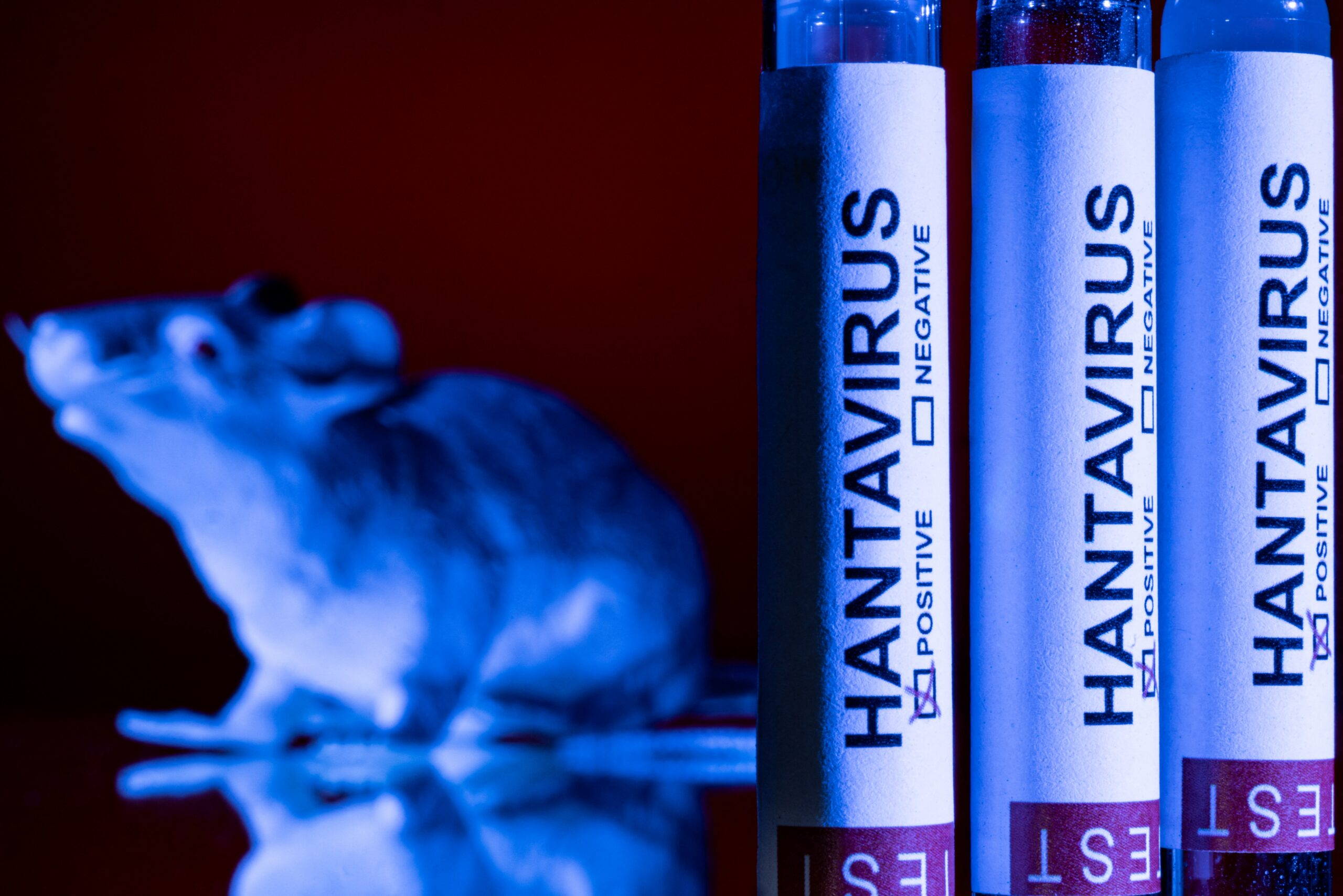
Health experts worldwide are now on high alert. This comes after news that an American passenger, who was flown out because of illness, has tested positive for Hantavirus. To make things more complicated, another traveler, a French national, has also gotten sick with similar breathing troubles. As diseases from animals continue to jump to people, this situation really highlights how important it is to quickly test for illnesses and to openly share health information globally.
Hantaviruses are a group of viruses mainly spread by rodents. Even though they’re rare, these infections can be very serious, often leading to something called Hantavirus Pulmonary Syndrome, or HPS. Because of this, every time someone gets it, it becomes a big concern for public health. The process of evacuating and testing these passengers has really pushed medical screening procedures at international borders to work extra hard and fast.
The Incident: Evacuation and Confirmation
The whole thing started when an American on an expedition began showing really bad flu-like symptoms. They had to do a risky evacuation, and after tests came back, it was confirmed: Hantavirus. What made things even more urgent was that a French person from the same travel group also ended up in the hospital. Now, with several people sick, health officials are scrambling to find out where they might have picked up the virus from in their environment.

Key Incident Details
| Subject | Nationality | Status | Primary Symptoms |
|---|---|---|---|
| Passenger A | American | Confirmed Positive | Fever, severe muscle aches, shortness of breath. |
| Passenger B | French | Under Observation | High fever and respiratory fatigue. |
| Location | Undisclosed (Transit) | Evacuated | Exposure linked to rodent-infested environment. |
Understanding the Hantavirus Threat
Doctors often call Hantavirus a “stealth” infection because its early signs look a lot like a common cold or the flu. But it can quickly become very serious, with people’s lungs filling up with fluid.
- Transmission Mechanism:
You can catch it if you breathe in tiny virus particles floating around, which come from mouse or rat pee, poop, or spit. - Incubation Period: Symptoms usually don’t show up right away. It can take anywhere from one to eight weeks after you’ve been exposed, making it tough to know exactly when you got infected.
- Human-to-Human Spread: For most kinds of Hantavirus, you can’t pass it on to another person. However, there have been a few rare times when it did spread between people, especially during outbreaks in South America.
Comparative Analysis of Viral Symptoms
To differentiate Hantavirus from other high-profile respiratory threats like Bird Flu, medical professionals look at specific clinical markers.
Viral Symptom Matrix
Hantavirus Indicators:
- Rapidly progressing respiratory failure.
- History of exposure to rural or rodent-prone areas.
- Severe fatigue and large-muscle aches (thighs, hips, back).
Bird Flu (H5N1) Indicators:
- Direct contact with sick poultry or wild birds.
- Severe cough and sore throat.
- Higher likelihood of conjunctivitis (eye infection).
Digital Health Infrastructure in 2026
In 2026, managing an international health crisis involves sophisticated digital “handshakes” between global agencies. For the passengers involved, digital identity tools have been vital in streamlining their emergency care.
- Verified Health Records: Utilizing platforms like DigiLocker, travelers can store their verified medical history and blood types. This allows emergency teams to rule out pre-existing conditions instantly when a Hantavirus case confirmed as evacuated American passenger tests positive.
- Identity Verification: During medical evacuations, ensuring that a passenger’s mobile number is linked to their primary government-issued ID is essential for secure, paperless authentication at international hospitals.
- Paperless Onboarding: Hospitals in 2026 often use e-Aadhaar (for Indian residents) or similar digital IDs for paperless verification, reducing the “system hang” of manual paperwork during life-critical minutes.
- Emergency Funds: Specialized zero balance bank accounts are frequently used by frequent travelers as dedicated medical emergency funds, ensuring liquidity for evacuation costs without the burden of maintaining high daily balances.
The “Quick Fix” Guide for Travelers
If you are traveling to rural or remote areas where rodents may be present, follow these preventive steps:
- Avoid Aerosolizing Dust: Never sweep or vacuum rodent droppings. Wet the area with disinfectant first to prevent viral particles from entering the air.
- Seal Entry Points: Use steel wool or mesh to seal gaps in dwellings where mice or rats might enter.
- Monitor “Simple” Fevers: If you develop a fever after being in a dusty, rural environment, seek medical attention immediately. Do not ignore a “system hang” in your physical energy levels.
Global Response and Surveillance
| Organization | Role in the 2026 Outbreak | Current Action |
|---|---|---|
| WHO | Global Monitoring | Tracking clusters of zoonotic transmission. |
| CDC | Diagnostic Support | Verifying the specific Hantavirus strain. |
| Local Health Depts. | Vector Control | Inspecting transit points for rodent infestations. |
FAQs: Hantavirus Confirmed Case:
Is Hantavirus as contagious as the flu?
No. Hantavirus does not typically spread from person to person. It requires a specific environmental exposure to infected rodents or their waste.
What should I do if I suspect exposure?
Seek medical help immediately and mention any contact with rodents. Early medical intervention is the best “Quick Fix Guide” for survival.
How can I protect my medical data while traveling?
Store your verified records in a secure digital vault like DigiLocker. Ensure your mobile number is linked to your Aadhaar for secure, multi-factor authentication to your health portals.
Why is the French passenger’s illness significant?
If multiple people from the same group fall ill, it indicates a strong localized source of infection, requiring an immediate “reboot” of local sanitation protocols.
Vigilance in a Connected World
Hearing about the confirmed Hantavirus case with that American passenger who was evacuated really brings home the point that our health and the environment are just tied together. Even though medicine in 2026 has some pretty cool tools – like advanced health trackers and paperless ID verification – the best way we can protect ourselves is still by staying informed and stepping in early.
Right now, a French passenger is under observation, and the global community is keeping a close watch on the situation. Everyone’s hoping we can get things under control before more cases start appearing. So, keep up with the news, make sure your digital records are safe, and please, don’t ever ignore what seems like just a “simple fever” after you’ve been traveling somewhere remote.