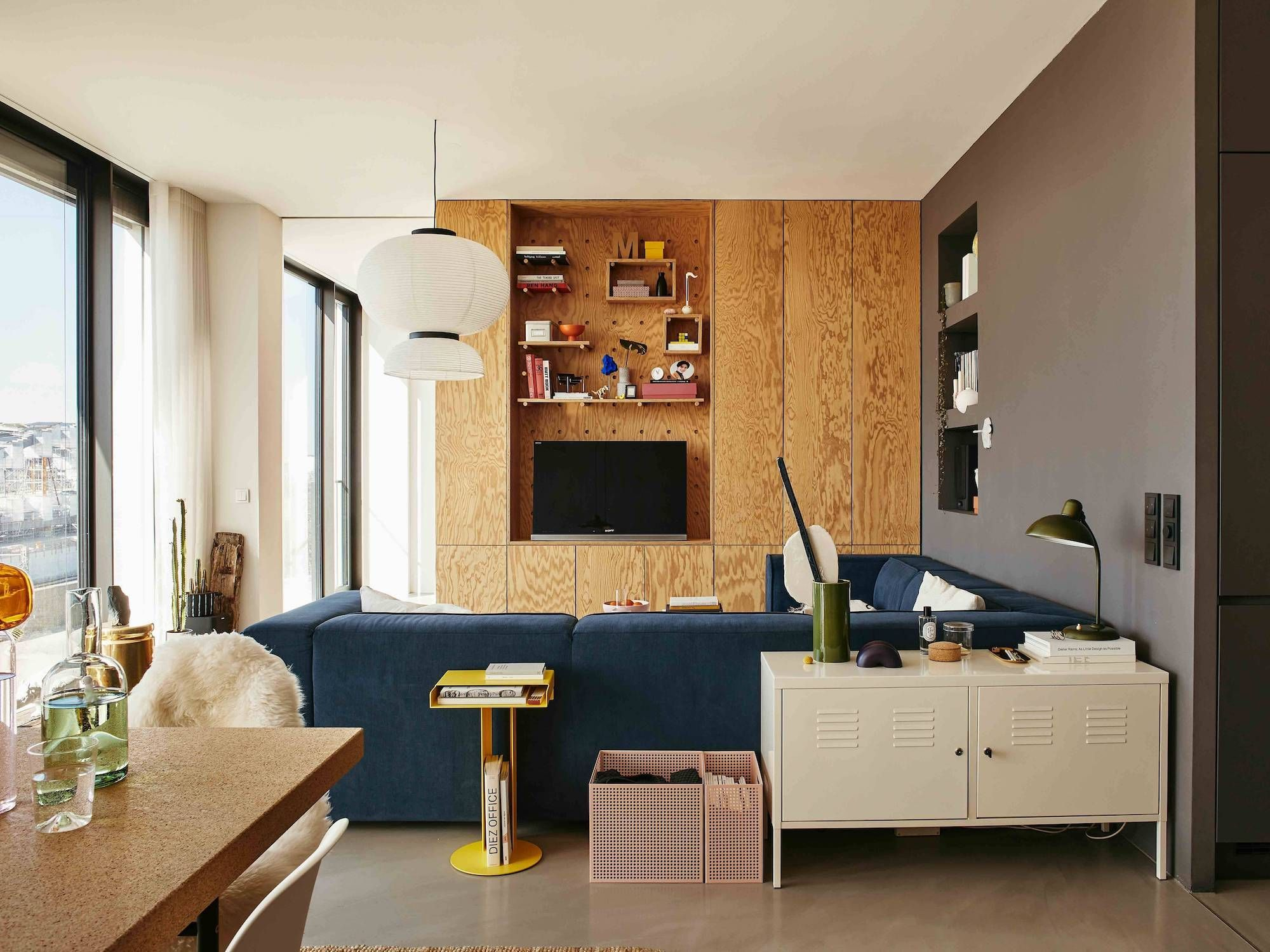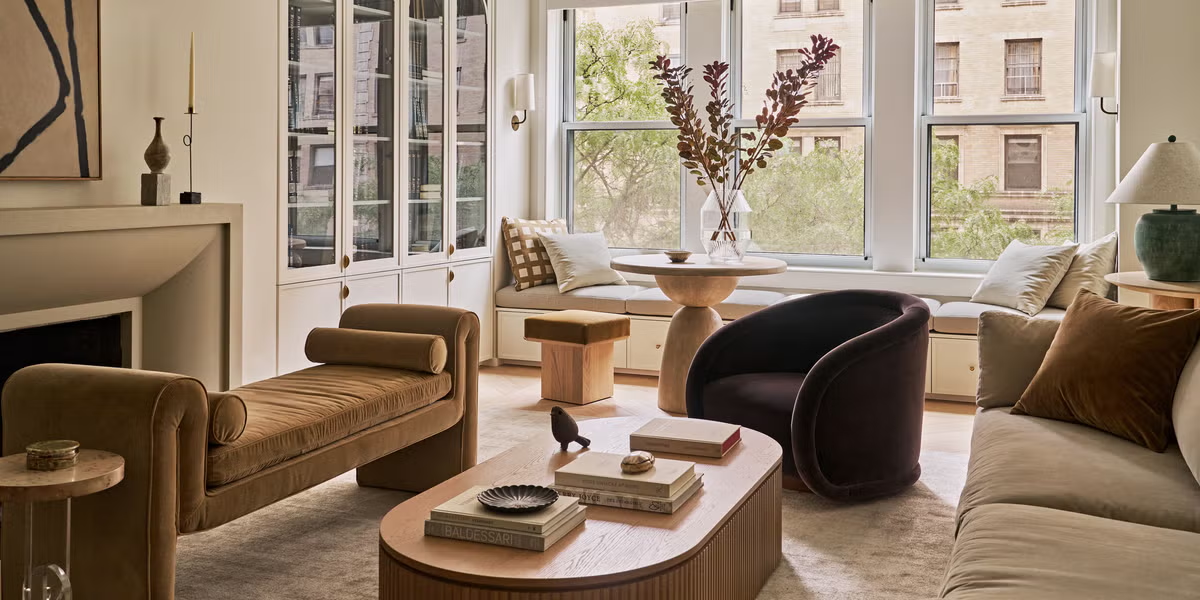
Our homes have undergone a massive philosophical evolution. Moving past the era of staging spaces purely for the “wow” factor of social media feeds, the contemporary design narrative has turned deeply inward. Homeowners are seeking spaces that serve as a sensory refuge, an expression of individual history, and a sanctuary of comfort. The definitive theme of the year is “Curated Calm.” If you are planning a space makeover or looking to refresh a single room, keeping track of the top home design trends everyone loves ensures your sanctuary feels both contemporary and classic. From the structural embrace of “enveloping forms” to the clever integration of climate-aware materials, these design movements are reshaping how we interact with our physical surroundings. Let’s explore the most celebrated aesthetics and functional upgrades defining the modern household.
1. Warm Minimalism: The Shift to “Curated Calm”
For years, stark starkness and cold, clinical greys dominated modern apartments, often causing a visual “system hang” for those craving coziness. Today, that cold aesthetic is undergoing an official “reboot.” Warm minimalism has stepped into the spotlight, introducing a palette rooted in deep comfort, stability, and sophistication.
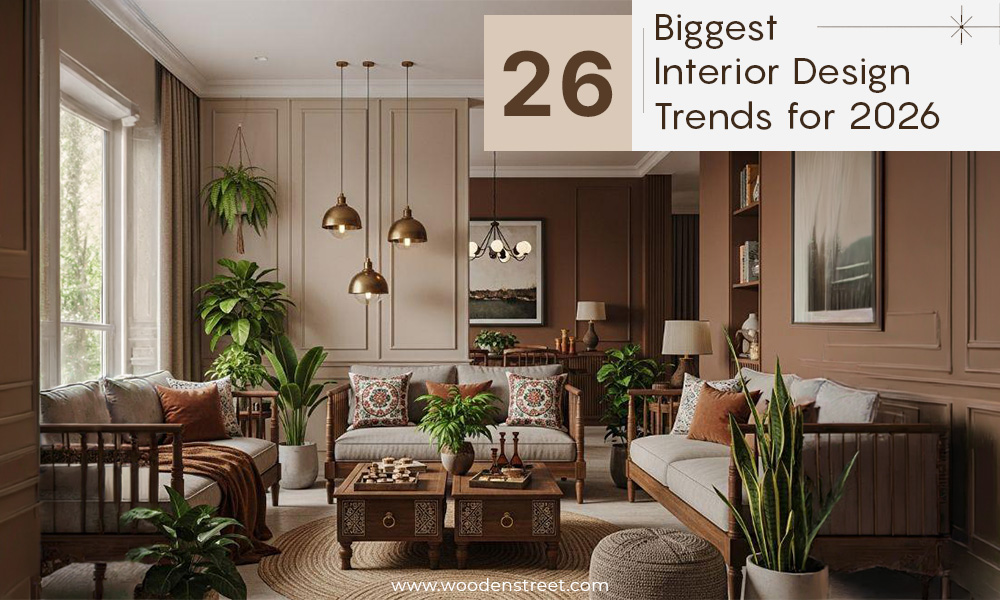
Instead of flat, featureless walls, designers are embracing rich, tactile surfaces. Earthy tones like deep chocolate, velvety espresso, and warm terracotta are replacing traditional greys. The focus is on creating a space that feels layered rather than empty, ensuring your home acts as a welcoming cocoon at the end of a high-intensity day.
2. Enveloping Forms and Sculptural Furniture
Sharp, rigid edges are officially out, replaced by the year of the “Enveloping Form.” Furniture design has taken a voluptuous turn, focusing on rounded silhouettes, curved edges, and oversized, sculptural seating that hugs the room.
The Material & Structure Breakdown
| Furniture Element | Legacy Aesthetic | Modern 2026 Trend | Daily Living Impact |
|---|---|---|---|
| Sofas & Couches | Sharp rectangular edges, thin track arms. | Voluptuous curves, low-profile, modular designs. | Promotes conversational seating and deeper relaxation. |
| Cabinetry | Flat-panel laminate, glossy surfaces. | Fluted wood walls, ribbed finishes, haute matte panels. | Diffuses light gently; hides micro-scratches and fingerprints. |
| Dining Tables | Rigid glass or hard-edged metal frames. | Solid organic stone, travertine, thick pillar bases. | Introduces heavy, grounding elements into common areas. |
3. Climate-Aware & Breathable Materials
With regional temperatures hitting record numbers during intense summers, cooling has shifted from an afterthought to a core design requirement. The top home design trends everyone loves are increasingly focusing on materials that manage heat transfer naturally, preventing an environmental “system hang” inside your home.
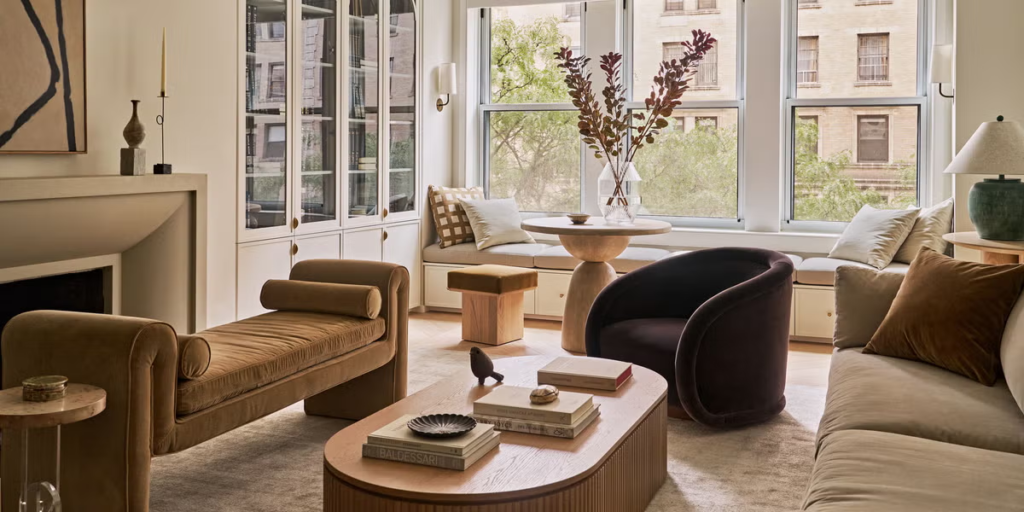
As industry specialists point out, building an elegant home now requires material awareness. Using breathable mineral compositions, natural stone, lime-based plasters, and high-density engineered wood panels behaves predictably under thermal stress. They don’t trap heat aggressively, keeping interiors noticeably lighter and cooler.
The Thermal Comfort Fabric Checklist:
- Linen & Hemp: Utilized for window drapery and lounge upholstery to maximize airflow.
- Organic Cork: Making a major comeback as acoustic insulation and feature wall paneling.
- Decoclay Finishes: Applied on accent walls to maintain a cool surface temperature naturally.
4. Statement Lighting as Functional Sculpture
Lighting is no longer viewed as a purely utility-driven asset. Instead, contemporary homes are treating light fixtures as the definitive centerpieces of a room—gravity-defying sculptures that demand to be gazed at even when turned off.
Whether it is a hand-blown glass pendant over a kitchen island or a mobile-type modular chandelier in the dining room, statement fixtures provide an immediate “App Launch Boost” to a room’s character. Mixing cooler metal accents like brushed stainless steel with warmer, darker woods like walnut creates a “modern heritage” style that perfectly balances luxury with industrial-organic charm.
5. Broken-Plan Living: Smart Space Segmentation
While the open-floor plan has been a favorite for a long time, families are recognizing the need for sound privacy and cognitive boundaries to prevent a daily “mental hang.” The solution isn’t to build heavy brick walls, but to embrace “broken-plan” living.
[Open Living Area] ---> [Glass Partition / Fluted Pocket Doors] ---> [Quiet Workspace / Green Solitude]
Designers are utilizing slim-profile aluminum glass partitions, double-sided open shelving, and massive pocket doors that completely vanish into the wall envelope. This layout allows natural light to dance across the entire floor while providing a distinct physical and psychological boundary for remote work, study, or silent reflection.
6. Digital Integration and Streamlined Document Management
A beautifully designed home deserves a clean administrative backend. In our digital-first era, maintaining a clutter-free household means moving away from physical paper piles. Managing your home assets efficiently requires adopting a paperless workflow.
- Verified Document Vaulting: Renovation contracts, interior floor plans, and property insurance papers can create physical clutter. Storing these verified assets in DigiLocker keeps your physical space pristine while ensuring your records are securely authenticated across a paperless ecosystem.
- Identity Verification for Custom Utilities: Setting up smart-home automated systems or apply for solar-grid municipal subsidies requires a secure digital “handshake.” Ensuring your mobile number is linked to your primary government ID provides a “Quick Fix” for automated billing onboarding.
- Eco-Friendly Project Funding: Many homeowners utilize a dedicated zero balance bank account specifically for tracking furniture EMIs, designer tokens, and material purchases. This helps segregate home transformation expenses from daily grocery ledgers, maintaining financial clarity.
- Paperless Services Execution: When onboarding design firms, verified technicians, or artisanal painters, executing agreements via e-Aadhaar paperless verification serves as a rapid “Fix It Now” protocol, reducing physical resource waste.
7. Performance Surfaces: Haute Matte and Texture
The final major movement centers on touch. High-gloss, fingerprint-prone surfaces are being replaced by high-performance, ultra-smooth matte laminates and deeply embossed textures.
Surface Characteristic Matrix
| Feature | High-Gloss Reflective Surfaces | Haute Matte Performance Surfaces |
|---|---|---|
| Light Interaction | High reflectivity; can create harsh glare spots. | Near-zero reflectivity; diffuses light softly. |
| Maintenance Need | Demands constant cleaning; shows smudges instantly. | Anti-fingerprint technology maintains a clean look. |
| Tactile Quality | Smooth but slick and cold to the touch. | Refined, velvety, feather-touch feel. |
| Durability Factor | Prone to visible surface scratches over cycles. | High scratch and abrasion resistance (>350 cycles). |
FAQs: Mastering Modern Home Design
What is the most popular color palette for homes this year?
The focus has shifted to “warm neutrals” mixed with deep, grounding shades. Rich chocolate browns, warm taupes, and deep terracottas form the foundation, while dark blues like indigo and cobalt are used for dramatic monochromatic wall-drenching.
How can I make my home feel cooler without turning up the AC?
Focus on material updates. Incorporate exterior louvers to filter sunlight, use breathable fabrics like linen and hemp for curtains, and swap out synthetic rugs for natural wool or jute. This material awareness creates a noticeable natural cooling effect.
How does going paperless support interior styling?
Physical filing cabinets and messy paper stacks act as a major visual “crack” in minimal design. By archiving bills and deeds digitally in DigiLocker and using e-Aadhaar for paperless verification with service vendors, you free up physical square footage for beautiful decor elements.
What is “broken-plan” living?
It is a trend that preserves the sense of light and space of an open layout but uses architectural interventions like glass partitions, fluted dividers, or open shelves to create distinct, quiet zones for work or relaxation.
Designing for the Future
Embracing the top home design trends everyone loves is ultimately about aligning your space with your lifestyle needs. Whether you choose to implement a voluptuous curved armchair, replace a generic light with an artistic sculptural pendant, or secure your design documents in DigiLocker, true style is built on intentional, functional choices.
Don’t let your home fall into a stylistic “system hang.” Reboot your spaces with tactile textures, natural cooling elements, and clean, paperless organization. By focusing on the “human-written” experience of comfort and calm, you can cultivate an environment that looks beautiful and feels like home.