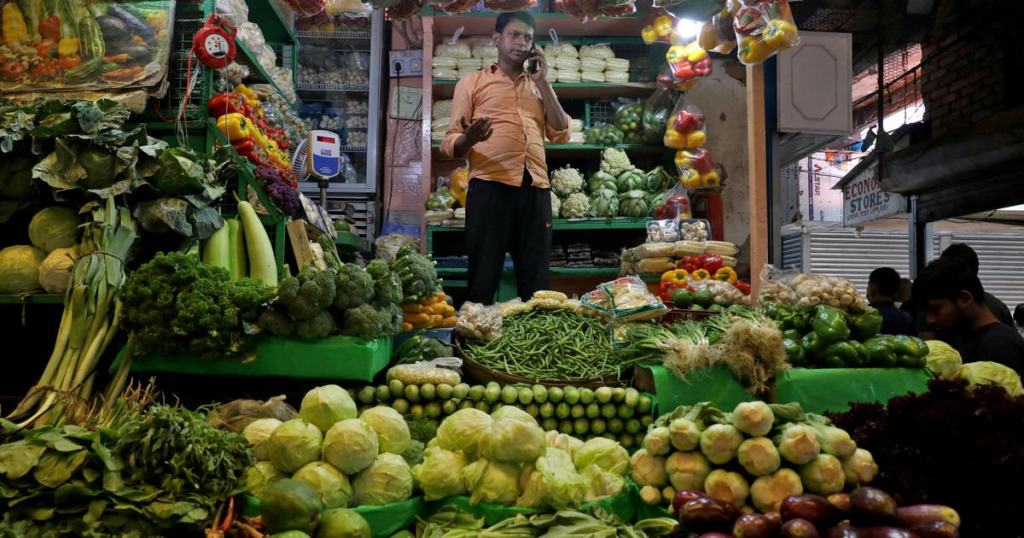
If you have recently been to a grocery store paid a utility bill or filled up your car with gas you have probably felt the pinch. In 2026 people over the world are facing a steady increase in the cost of living. Whether it is milk, a household appliance or an airline ticket the households ability to buy things is under a lot of pressure.
Many people are frustrated. Want clear answers. If you are wondering why prices of items are going up so fast this year it is important to look beyond the local supermarket shelf. The reality is that your daily expenses are connected to a complex web of global politics, climate events and economic changes. Lets break down the reasons behind the 2026 inflation surge and what it means for your wallet.
The Global Energy Shock: Fueling the Fire
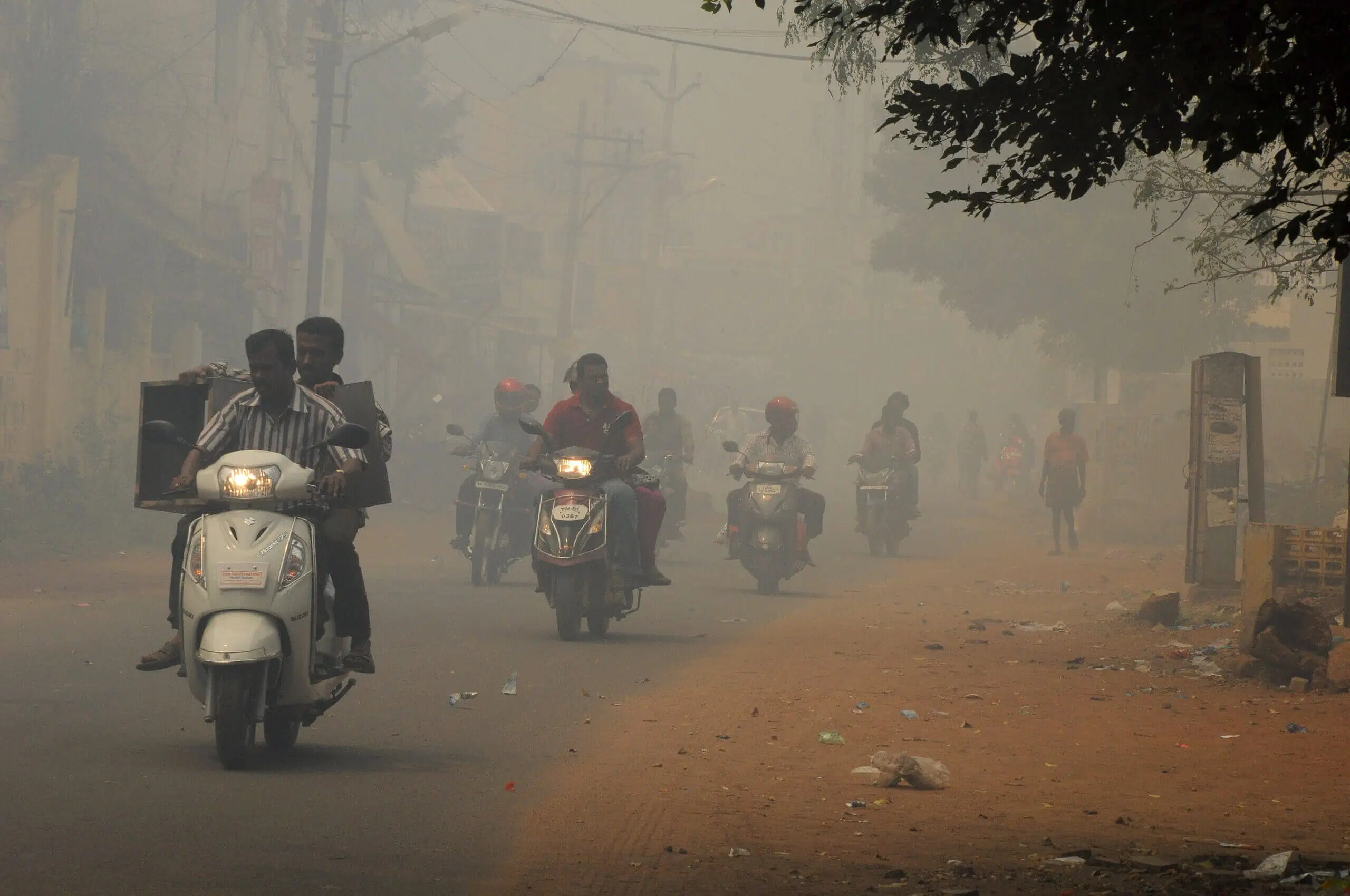
At the heart of todays challenges is the rising cost of energy. Global conflicts, recent tensions and closures of critical shipping lanes like the Strait of Hormuz in the Middle East have caused big problems in the oil and natural gas markets. Because a lot of the worlds energy supply goes through these areas any disruption leads to price increases.
- Crude Oil Surges: In 2026 crude petroleum inflation shot up directly affecting the price of gasoline and diesel.
- The Transportation Premium: Everything you buy from produce to electronics has to be transported. When diesel prices go up shipping and freight companies pass those costs onto retailers, who then raise the prices on the shelves.
- Manufacturing Dependencies: Factories rely heavily on furnace oil, natural gas and electricity to operate. As power becomes more expensive the basic cost to make goods, like plastics, chemicals and fertilizers rises significantly.
“Higher logistics, freight and commodity prices are increasingly getting reflected in inflation, which eventually passes through to consumer inflation as businesses protect their margins.”. Economic Market Analysis, May 2026.
Understanding the Lag: Wholesale vs. Retail Inflation
To really understand why the prices of things we buy every day are going up we need to know how the Wholesale Price Index and the Consumer Price Index are connected.
The Wholesale Price Index measures how much manufacturers and wholesalers pay for materials like metals, minerals and crude oil. The Consumer Price Index measures how much we pay when we buy things. In 2026 the prices that wholesalers pay have gone up a lot. Over 8% in some countries.. The prices we pay as consumers have not gone up as much at first.

So why is there a difference? It takes time for the higher prices to affect us. When a factory pays 20% more for copper or plastic they might absorb the cost for a while.. If the high costs keep going on for months the factory has to pass the extra cost on to us. What is happening now is that the higher prices from earlier in the year are finally affecting our budgets.
Sector Breakdown: Where Consumers Feel It Most
The higher costs are not the same for everything. Some things are very sensitive to what happens in the world while others are not as affected. Here is how different types of things are being affected in 2026.
| Consumer Category | Primary Drivers of Price Increases | Direct Impact on Households |
|---|---|---|
| Packaged Foods & Groceries | High diesel transport costs, increased fertilizer prices for agriculture, and rising packaging costs (plastics/film). | Noticeable spikes in pantry staples, dairy products, and processed foods. |
| Consumer Electronics & Appliances | Elevated costs of base metals (copper, aluminum) and disrupted semiconductor supply chains. | Higher retail prices for air conditioners, refrigerators, and mobile devices. |
| Household Utilities | Surging natural gas and global crude oil prices passing through local grids. | Steeper monthly electricity and heating/cooling bills. |
| Apparel & Textiles | Increased cost of chemical dyes, synthetic fibers (polyester chips), and global shipping container rates. | Higher prices for seasonal clothing and household linens. |
| Personal Care Items | Rising costs of basic chemicals and essential oils used in manufacturing. | Incremental hikes on soaps, detergents, and cosmetics. |
Climate Change and the Agricultural Deficit
Even though we hear a lot about problems, between countries environmental issues are quietly making our food more expensive. Bad weather long heatwaves and problems caused by El Niño have hurt the global production of food in recent years.
When we do not grow wheat, corn or coffee the prices of these things go up. Also hot weather affects animals, which makes dairy, poultry and meat more expensive. Even if fuel prices stopped going up tomorrow the problems caused by the environment would still explain why our food is getting more expensive when we buy it.
The Wholesale Price Index and the Consumer Price Index are still. This connection is important to understand why prices of everyday items are increasing. The Wholesale Price Index is showing us that the prices of materials are going up and this will eventually affect the Consumer Price Index. The Consumer Price Index will also go up because the factories have to pass the cost on to us. This is what we are seeing now with the prices of items increasing.
The Psychology of “Built-In” Inflation
Economics is not just about numbers; it is also about human behavior. As inflation persists throughout 2026, we are witnessing the effects of “built-in” or wage-price spiral inflation.
When consumers consistently see the cost of living rise, their expectations shift. Anticipating that things will only get more expensive, workers rightfully demand higher wages from their employers to maintain their standard of living. To cover these increased labor costs, businesses must raise the prices of their goods and services even further. This creates a self-fulfilling cycle that is incredibly difficult for central banks and policymakers to break.
What Can Consumers Do Moving Forward?
If you are feeling overwhelmed by the financial landscape of 2026, taking a proactive approach to your personal finances is more critical than ever.
- Re-evaluate Discretionary Spending: With essential goods costing more, auditing your monthly subscriptions and luxury purchases can free up much-needed cash flow.
- Embrace Substitution: If the price of a specific brand or commodity (like beef or premium branded cereals) has skyrocketed, pivot to high-quality generic brands or alternative proteins.
- Optimize Energy Usage: Since utility costs are a major driver of household inflation, investing in energy-efficient appliances or simply being mindful of your power consumption can yield significant savings.
- Buy in Bulk Strategically: For non-perishable items like laundry detergent or paper goods, purchasing in bulk locks in today’s prices and protects you from the gradual price hikes expected later in the year.
The Bottom Line
There is no single villain in the story of the 2026 economy. If you want to know why prices of everyday items are increasing, you must look at the convergence of a global energy crisis, logistical bottlenecks, unpredictable climate events, and shifting labor markets.
While individual consumers cannot control the price of crude oil or the logistics of international shipping lanes, understanding these macroeconomic forces is empowering. By recognizing that these price hikes are systemic rather than personal, households can make informed, strategic decisions to weather the storm, adjust their budgets, and maintain their financial resilience in a highly volatile world.