Way out in our solar system, there’s a puzzle that could totally change how we think about planets forming. On May 15, 2026, NASA’s Psyche mission hits a big moment: it’ll use Mars for a gravity assist—a kind of space slingshot—to gain speed and head for its unique target, the asteroid Psyche.
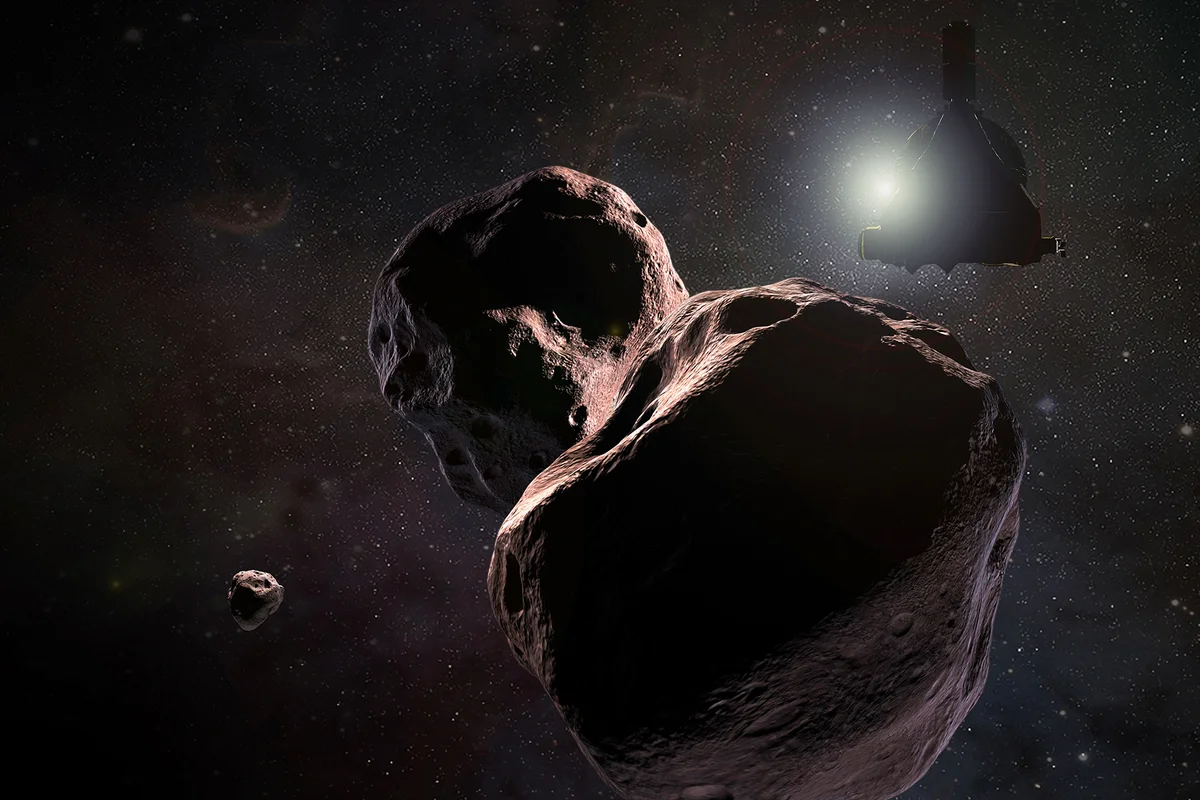
Here’s what makes this asteroid wild: most are just rocky or icy, but Psyche looks like the bare nickel-iron core of a planet that never finished forming. Scientists want to explore it up close, hoping they can finally see what’s hidden deep inside planets like Earth, whose metal cores are buried under endless layers of rock. Psyche’s exposed core could spill secrets about our own planet’s inner workings.
1. The Science of the Mars Gravity Assist
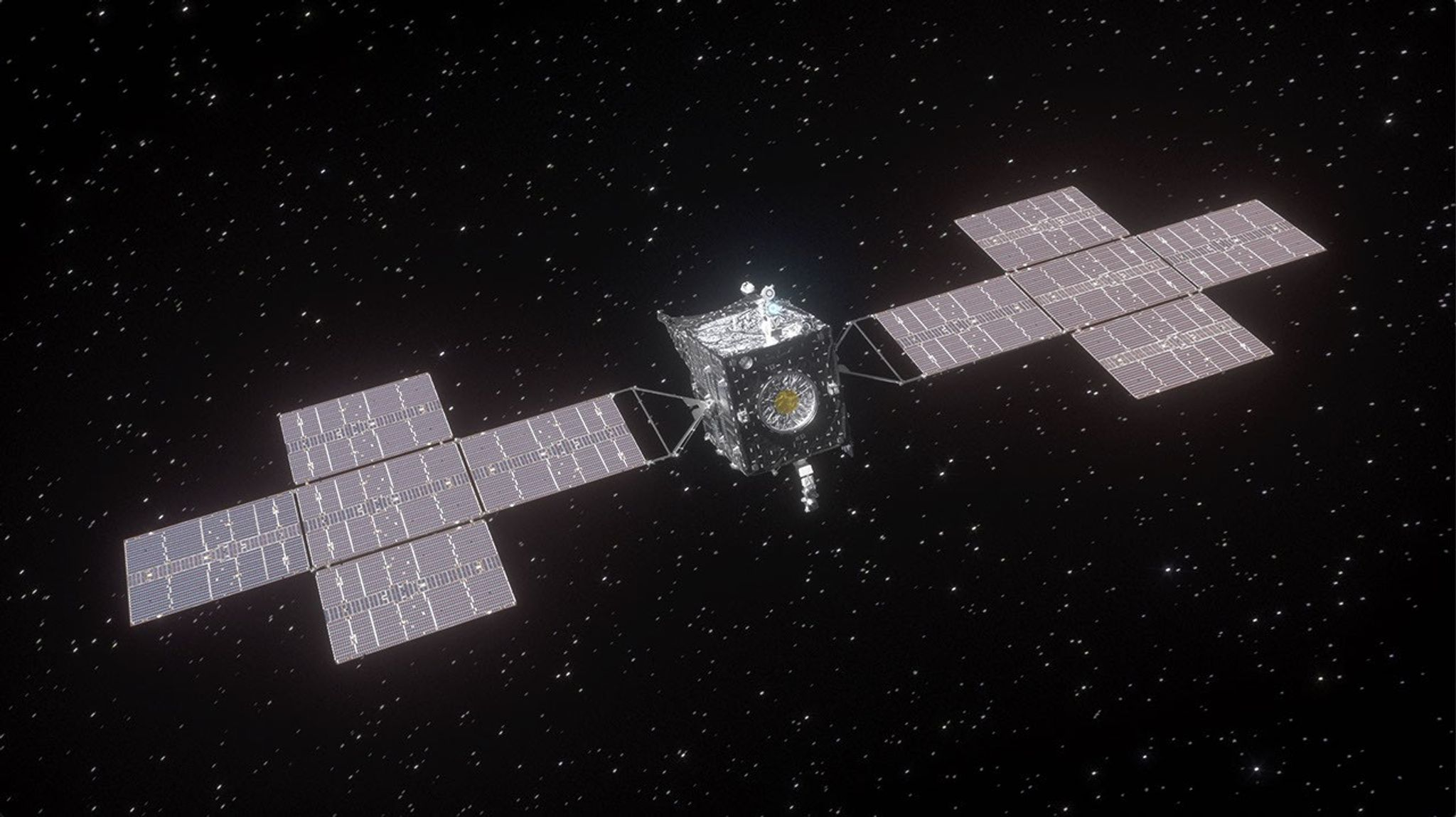
The Mars gravity assist isn’t just for show — the Psyche spacecraft really needs it to reach its goal. Since Psyche launched in late 2023, it’s been powered by advanced solar-electric engines. But getting all the way out to the asteroid belt between Mars and Jupiter takes more speed than those engines can give alone. That’s where Mars steps in.
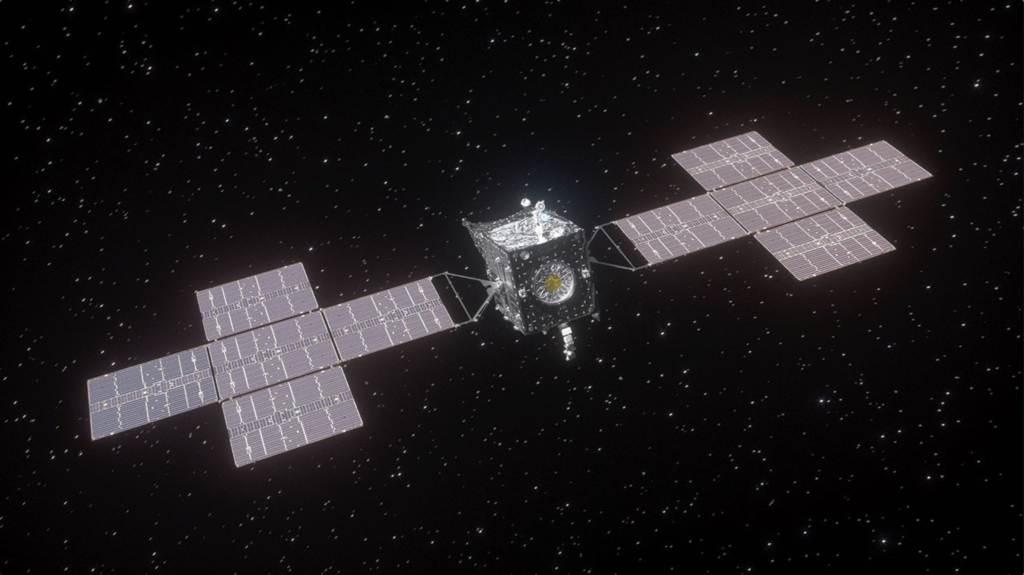
- Trajectory Correction: On May 15, Psyche will swing close to Mars, letting the planet’s gravity give it a crucial push and a nudge in the right direction.
- Velocity Gain: This flyby isn’t just about changing direction; it’ll give Psyche a big speed boost without using up any extra xenon fuel.
- Instrument Testing: As Psyche gets close to Mars, the team is also planning to check that everything’s working by testing out the multispectral imager and gamma-ray spectrometer. Better to catch any issues now than later, once it’s farther from home.
2. Journey to a Metal-Rich Asteroid: Mission Timeline
The NASA Psyche mission is a marathon, not a sprint. To understand the complexity of reaching a metal-rich asteroid, one must look at the precision required in deep-space navigation.
Psyche Mission Strategic Timeline
| Phase | Date | Objective |
| Initial Launch | October 2023 | Successful departure from Kennedy Space Center. |
| Deep Space Optical Comm | 2024 – 2025 | Testing laser-based data transmission. |
| Mars Gravity Assist | May 15, 2026 | Gaining momentum for the outer solar system. |
| Asteroid Arrival | August 2029 | Entering orbit around the metal-rich asteroid. |
| Science Operations | 2029 – 2031 | Mapping the surface and magnetic field. |
3. Why Psyche is a Scientific Goldmine
Most of what we know about Earth’s core is based on seismic data and mathematical models. We cannot visit our own core because the pressure and heat are too intense. This is why the NASA Psyche mission is so revolutionary.

- A Window into Planetary Cores: If Psyche is indeed a “protoplanet core,” it offers a direct look at the building blocks of our world.
- Unique Composition: Scientists believe the asteroid is composed of 30% to 60% metal by volume.
- Magnetic Mysteries: Does a metal-rich asteroid have a magnetic field? If so, it confirms it was once part of a larger, molten body.
4. Digital Infrastructure: Supporting Space Research in 2026
In 2026, the NASA Psyche mission sends its data across millions of miles, and we’re getting better at handling it. Accessing and verifying this scientific info isn’t the headache it used to be—it’s quicker and a lot more secure.
- Verified Access: Researchers in India and all over the world log in through protected portals. For Indian scientists, linking their credentials to an Aadhaar-backed mobile number means sensitive mission data stays with the right people. You don’t have to jump through endless hoops—just a simple check to prove you’re legit.
- Document Management: When it comes to managing important documents like research papers and mission certificates, DigiLocker is pretty much the go-to. It keeps everything digital and verified, so scholars can grab their work from anywhere, and universities across the globe recognize what’s stored there.
- Project Funding: PhD students diving into Psyche data use zero balance bank accounts for their stipends. This cleans up the financial trail for grant money—no confusing fees or minimum balance hassles, just straightforward tracking.
- Digital Identity: For scientists shuttling between international labs and data centers, e-Aadhaar lets them verify their identity without piles of paperwork. It makes moving around faster, safer, and a whole lot easier.
5. Challenges of the Mars Flyby
| Potential Risk | Mitigation Strategy |
| Path Deviation | Real-time trajectory adjustments using solar-electric thrusters. |
| Signal Latency | Autonomous navigation systems handle the critical flyby window. |
| Hardware Stress | Robust shielding against solar radiation during the Mars approach. |
6. The “Fix It Now” Mentality of Space Exploration
When the team’s out there on a mission, they run into software hiccups or slowdowns all the time—kind of like when your laptop freezes and you need to force a restart. Deep-space hardware isn’t much different. They need a handy troubleshooting guide and a way to fix things remotely.
Fun Fact: The Psyche spacecraft has a pretty smart “brain.” If it spots an error while shooting past Mars, especially during the gravity assist, it doesn’t waste time—it just reboots itself right away. When things get intense, Psyche kicks into “Burst Performance” mode. That’s a lot like the App Launch Boost you see in your phone or computer. It pushes urgent navigation commands to the front line and puts everything else—like science data—in the backseat until the crisis is over.
FAQs: NASA Psyche Mission and Mars Gravity Assist
Will the Mars gravity assist be visible from Earth?
No, the flyby happens millions of miles away. However, NASA will provide live telemetry and simulated visuals during the May 15 event.
Is Psyche worth $10 quintillion?
While media outlets often cite the value of the metal-rich asteroid based on current metal prices, NASA’s interest is purely scientific. We currently have no technology to mine and return these materials to Earth.
How does the spacecraft survive the long journey?
The NASA Psyche mission uses solar-electric (Hall effect) thrusters, which are incredibly efficient for long-duration travel, though they provide very low thrust compared to traditional rockets.
Do I need my Aadhaar to access NASA data?
Public NASA data is open to all. However, if you are a student or researcher in India applying for specific NASA-ISRO collaborative grants, you will likely need your Aadhaar-linked mobile number to verify your identity on government portals
A Slingshot Toward the Future
As the NASA Psyche mission prepares for its Mars gravity assist on May 15, the global scientific community watches with bated breath. This maneuver represents the perfect blend of physics, engineering, and ambition. By successfully navigating past Mars, we move one step closer to touching the metallic heart of an ancient world and uncovering the secrets of our own origin.