In the current scenario, the focus of the Indian auto industry is sustainability. By 2026, the changeover from conventional means of transport to sustainable modes of transportation in India will be a part of the everyday experience. Increased fuel prices and growing consciousness of environmental protection have made electric cars in India 2026 the number one choice for all modern car buyers wanting luxury, power, and efficiency combined.
If you wish to buy an affordable hatchback suitable for use in your daily commute within the city or a powerful SUV that can take long road trips, there are plenty of choices to choose from. We offer you an extensive review of the most popular EV models, their specifications, and their current price lists.
1. Why Choose Electric Cars in India 2026?
A number of factors have contributed to increased popularity among Indians for buying electric vehicles:
Charging Stations: Available freely in parking areas of malls, business complexes, and even along many highways throughout India.
Reduced Cost of Ownership: Cheaper running cost compared to traditional fuel-based vehicles; charging costs are up to 70% less than fueling.
Government Incentives: Various state and central government subsidies continue to reduce the effective purchase price of new EVs.
Instant Torque: Unlike traditional engines, electric motors provide maximum power the moment you press the pedal, making city driving incredibly responsive.
2. Top-Rated Electric Cars in India 2026
The industry is currently controlled by a combination of domestic stars and international leaders. The list below gives details about the top models currently ruling the market.
Featured EV Models Comparison
Vehicle Model
Battery Capacity
Driving Range (Real World)
Estimated Price (Ex-Showroom)
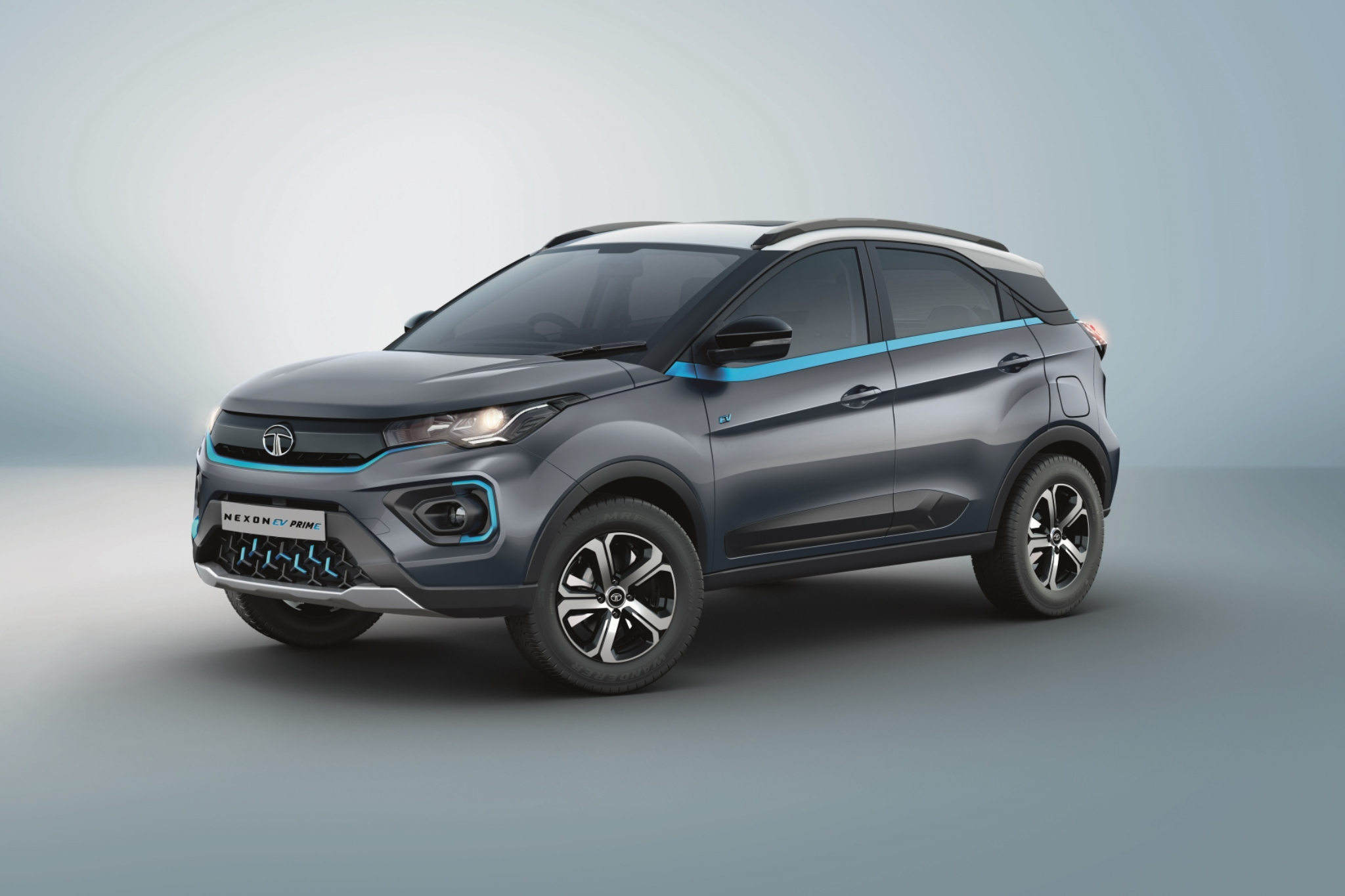
Tata Nexon.ev
40.5 kWh
320 – 350 km
₹14.50 – ₹19.50 Lakh
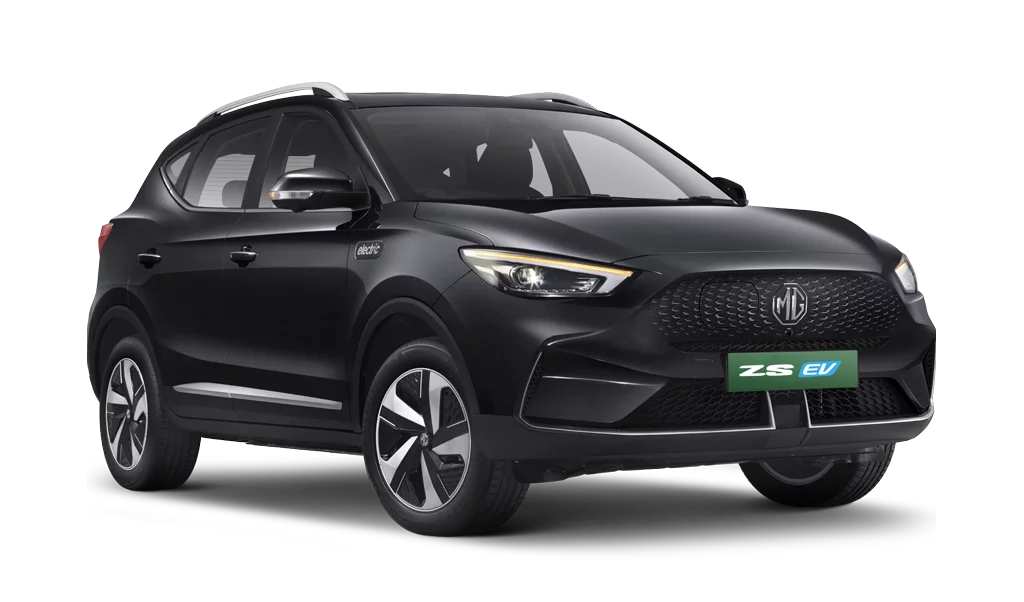
MG ZS EV
50.3 kWh
380 – 410 km
₹18.90 – ₹25.00 Lakh
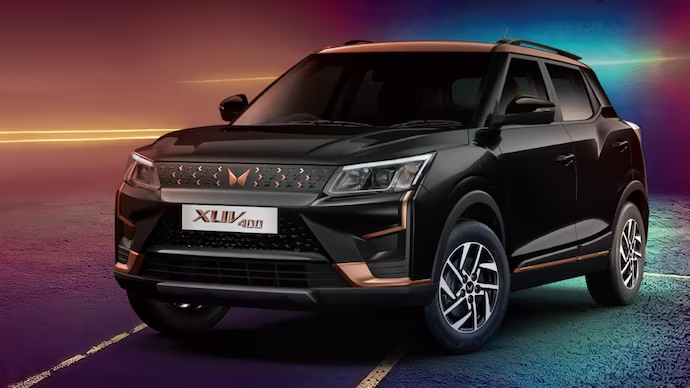
Mahindra XUV400
39.4 kWh
310 – 340 km
₹15.50 – ₹19.00 Lakh
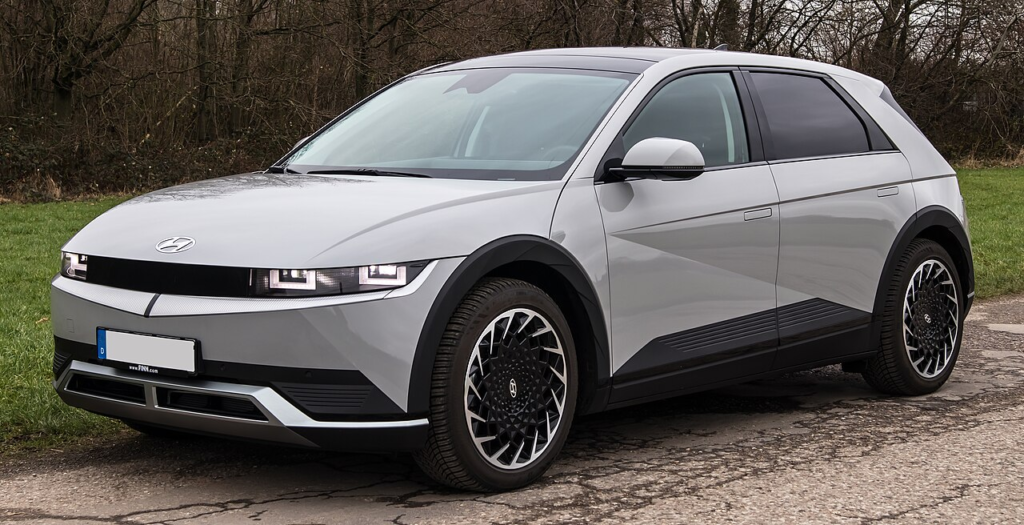
Hyundai IONIQ 5
72.6 kWh
550 – 600 km
₹45.00 – ₹48.00 Lakh
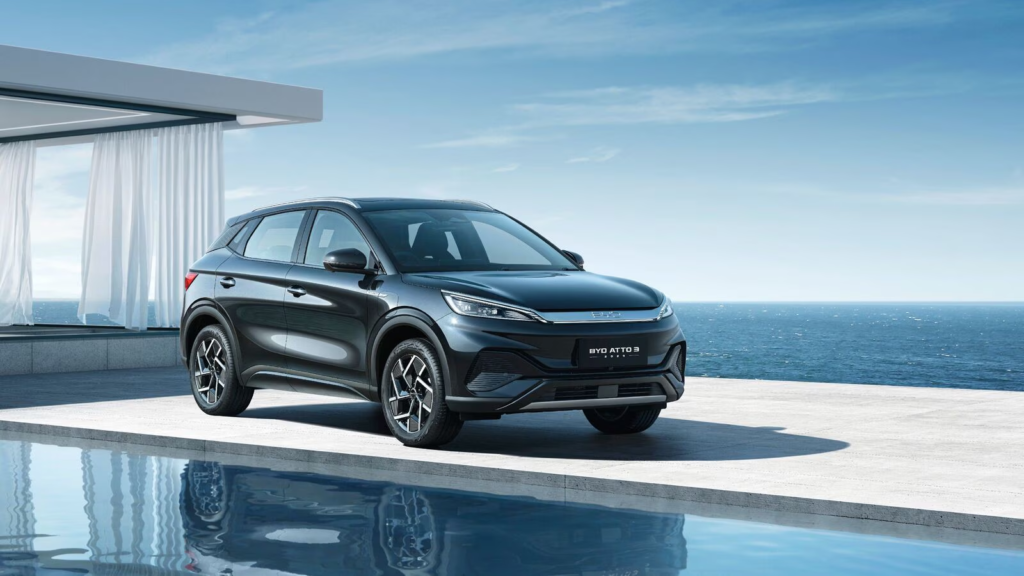
BYD Atto 3
60.5 kWh
450 – 480 km
₹33.00 – ₹35.00 Lakh
3. Key Features to Look for in 2026 EVs
Some of the advanced features found in electric cars in India 2026 include:
Advanced Driver Assistance Systems (ADAS): Most mid-range and high-end EVs now have Level 2 ADAS technology which comes with advanced features such as adaptive cruise control, lane-keep assist, and autonomous emergency braking.
Vehicle-to-Load (V2L) Technology: Contemporary EVs now possess features that make them able to function like big power banks where they can charge external appliances like coffee makers, laptops, and even other EVs.
Regenerative Braking: This particular technology charges your batteries when you take your feet off the pedal.
Connected Cars: The contemporary models possess technologies whereby you can cool your vehicle’s interiors remotely and track its location.
4. Maintenance and Total Cost of Ownership (TCO)
One of the hidden benefits of electric cars in India 2026 is the simplicity of maintenance. An electric drivetrain has roughly 20 moving parts compared to over 2,000 in an internal combustion engine.
No Oil Changes: You will never need to pay for engine oil, oil filters, or spark plug replacements again.
Brake Longevity: Because of regenerative braking, traditional brake pads and discs last significantly longer.
Battery Warranty: Most manufacturers now offer an 8-year or 1,60,000 km warranty on the battery pack, providing long-term peace of mind.
5. Segment-Wise EV Recommendations
Best for City Commutes: The Tata Tiago.ev remains the go-to option for urban dwellers due to its compact size and highly affordable entry price.
Best for Families: The MG ZS EV offers a premium cabin experience and enough range to handle weekend trips without constant charging stops.
Best for Luxury Lovers: The Hyundai IONIQ 5 provides a futuristic design and ultra-fast 800V charging capabilities that can top up the battery in under 20 minutes.
FAQs: Electric Cars in India 2026
How long does it take to charge an electric car at home?
Using a standard 7.2 kW home AC charger, most electric cars in India can go from 10% to 100% in approximately 6 to 9 hours, making it ideal for overnight charging.
Is the range shown by the company accurate?
Manufacturers usually quote the ARAI (Automotive Research Association of India) range. In real-world Indian conditions, with air conditioning and traffic, you should expect about 75% to 80% of the quoted figure.
Can I pay for public charging using UPI?
Yes. Almost all public charging networks in India are integrated with UPI and banking apps. You can securely pay via Google Pay, PhonePe, or dedicated charging apps using any Android or iPhone device.
Will the battery be expensive to replace?
While a battery is the most expensive part of an EV, modern battery management systems ensure they last for over 10-15 years. By the time a replacement is needed, battery technology costs are expected to be significantly lower than they are today.
Is 2026 the Right Time to Buy?
If you are considering making the switch, electric cars in India 2026 offer the perfect balance of technology and value. With a wide variety of models and a rapidly maturing support ecosystem, buying an electric car is no longer an experiment—it is a smart financial and environmental investment in the future of transport.