The convenience of digital shopping has completely transformed how we buy everyday essentials. With a few clicks on our smartphones, everything from high-end electronics to daily household goods arrives at our doorsteps. However, as e-commerce platforms grow faster and more complex, so do the tactics of counterfeiters. In 2026, the shadow industry of fake goods has evolved far beyond cheap knock-off handbags sold on street corners; it now infiltrates massive, highly trusted digital marketplaces.
Whether you are a seasoned digital shopper or someone who only buys occasionally, knowing how to find genuine products online is no longer just about getting good value for your money—it is about protecting your personal safety, your finances, and your loved ones. Let’s dive into the most up-to-date strategies for verifying authenticity in the modern digital marketplace.
The Hidden Dangers of the “Grey Market”
When people think of counterfeit goods, they usually imagine harmless, low-quality replicas of luxury sneakers or watches. But recent developments have shown a much darker side to the online counterfeit boom.
Take, for instance, the recent surge in fake veterinary medicines. In May 2026, authorities and veterinarians issued urgent warnings after pet owners unknowingly purchased counterfeit flea treatments online. These products, marketed at impossibly low prices, lacked the correct active ingredients and instead contained toxic chemicals like white spirit and paraffin. The result? Pets suffering from severe neurological issues, and owners facing massive veterinary bills.
Similarly, major e-commerce platforms recently faced strict scrutiny from consumer protection authorities for listing unregistered and potentially hazardous agricultural herbicides. These examples highlight a critical reality: fake products can have devastating, real-world consequences. Learning how to find genuine products online is an absolute necessity for your family’s health and safety.
6 Expert Strategies to Spot Authentic Goods
Cybercriminals rely on buyers being rushed, distracted, or overly eager for a bargain. By slowing down and applying a few critical checks, you can drastically reduce your risk of falling victim to a scam.
1. Scrutinize the Pricing (The “Too Good to Be True” Rule)
The most common bait used by counterfeiters is the price tag. If a premium gadget, designer fragrance, or well-known pet medication is listed at 50% below its standard retail value, your alarm bells should immediately ring. Genuine brands enforce strict pricing policies with their authorized distributors. Massive, unexplained discounts are almost always the hallmark of a counterfeit operation.
2. Verify the Retailer and Trust Marks
Do not assume a seller is legitimate just because they are operating on a major platform. These platforms host thousands of independent, third-party sellers.
- Check Authorized Lists: Visit the official brand’s website. They usually maintain a public directory of authorized online retailers and blacklisted domains.
- Look for Trust Accreditations: Legitimate online stores often display trust marks from recognized digital security and retail standards organizations. However, do not just blindly trust the image—click the logo to verify it links back to the official accreditation site.

3. Analyze the Imagery and Packaging Details
Counterfeit websites frequently steal low-resolution stock images from official brand pages.
Expert Tip: If the product photos look grainy when zoomed in, or if the website has awkward cropping, be highly suspicious. When you receive a product, inspect the packaging immediately. Fakes often lack official regulatory logos, have subtle spelling mistakes (e.g., using foreign words incorrectly), or omit vital details like batch numbers and expiration dates.
4. Read the Fine Print on Consumer Rights
A reputable seller will make their return policy, warranty information, and physical contact address incredibly easy to find. Fraudulent websites often bury this information or provide none at all. If the seller claims to be based in your home country but the return address is an international P.O. Box across the globe, walk away.
Retailer Comparison Matrix
Understanding the difference between a legitimate storefront and a fraudulent one can save you from a costly mistake. Use this quick-reference table before adding items to your cart.
| Feature | Authentic Online Retailer | Counterfeit / “Grey Market” Seller |
|---|---|---|
| URL Security | Always begins with https:// (shows a padlock). | Often uses http:// or complex, misspelled domain names. |
| Contact Info | Clear customer service numbers and a physical corporate address. | Only a generic web-form or free email address (e.g., Gmail/Yahoo). |
| Product Reviews | A mix of detailed positive and critical reviews over a long period. | Hundreds of vague, overly positive 5-star reviews posted within days. |
| Pricing Strategy | Aligns closely with the broader market average. | Drastically undercuts the entire market to force a quick impulse buy. |
Secure Your Payments
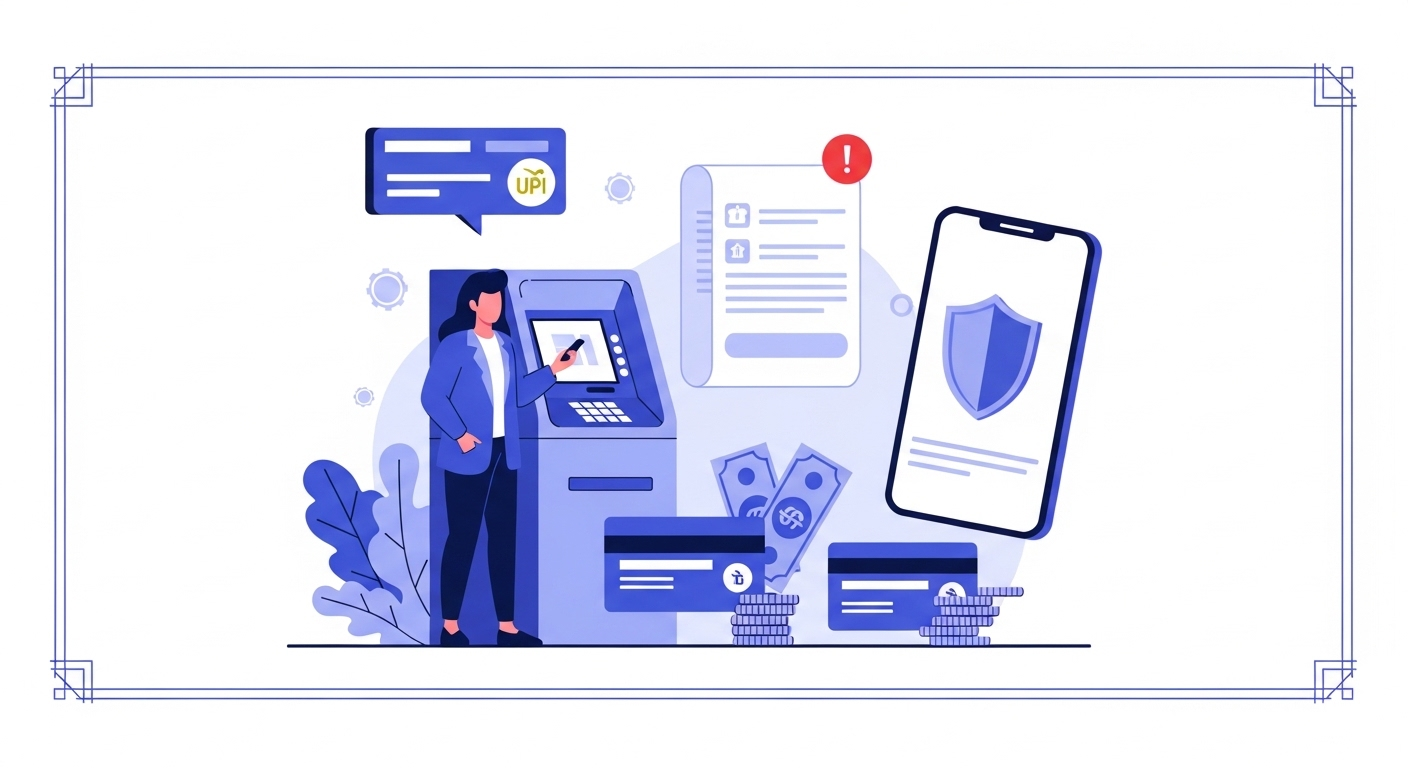
Even if you know exactly how to find genuine products online, you must protect your financial data at the checkout page. The payment method a website demands is often the biggest giveaway of its legitimacy.
Legitimate businesses use secure, encrypted payment gateways that accept major credit cards and recognized digital wallets. Criminals, on the other hand, want untraceable cash.
Safe vs. Risky Transactions
| Payment Method | Security Level | Why It Matters |
|---|---|---|
| Credit Card | Highest Security | Offers powerful “chargeback” rights. If the product is fake, your bank will fight to reverse the transaction. |
| Digital Wallets (Apple Pay/PayPal) | High Security | Adds a layer of tokenized security, keeping your actual card numbers hidden from the seller. |
| Debit Cards | Moderate Security | Pulls cash directly from your checking account. Harder and slower to dispute than a credit card. |
| Direct Bank/Wire Transfers | Critical Danger | Almost impossible to reverse or trace. This is the preferred method of highly organized scam rings. |
What to Do If You Purchase a Fake Product
Despite our best efforts, sophisticated scams can sometimes slip through the cracks. If you receive an item and realize it is a counterfeit, speed is your best defense.
- Do Not Use the Product: Put it back in its packaging immediately. Using a fake electronic device or applying counterfeit cosmetics or medicines can be actively dangerous.
- Document Everything: Take clear, well-lit photos of the packaging, focusing on any spelling errors, missing batch numbers, or poor-quality logos. Screenshot the original listing and your digital receipt.
- Initiate a Platform Return: Under modern e-commerce regulations, platforms are required to process refunds for defective or misrepresented products within a reasonable window. Use the platform’s official grievance channel—not just the automated chatbot.
- Request a Chargeback: If the platform or seller refuses to cooperate, immediately contact your credit card provider and request a chargeback for fraudulent goods.
- Report to Authorities: File a report with your local consumer protection agency or trading standards office. Your report could be the key to shutting down a dangerous digital storefront.
The digital marketplace offers unparalleled convenience, but it requires a proactive, educated approach to navigation. By understanding how to find genuine products online, scrutinizing deals that seem too good to be true, and strictly utilizing secure payment methods, you build a digital fortress around your wallet. Remember, as consumers, our greatest weapon against the counterfeit industry is our attention to detail. Shop smart, stay vigilant, and never compromise on authenticity.