As we go further into 2026 it is clear that our digital lives are more convenient than ever. We can pay for things with our phones. Use virtual assistants to help us.. There is a downside to this. Cybercriminals are getting better at what they do. They are not just sending emails from fake princes anymore. Now they are using technology to trick us.
If you want to keep your money and personal information safe you need to stay informed. Lets look at some online scams in 2026 and how you can protect yourself.
1. The Rise of Agentic AI and Deepfake Extortion
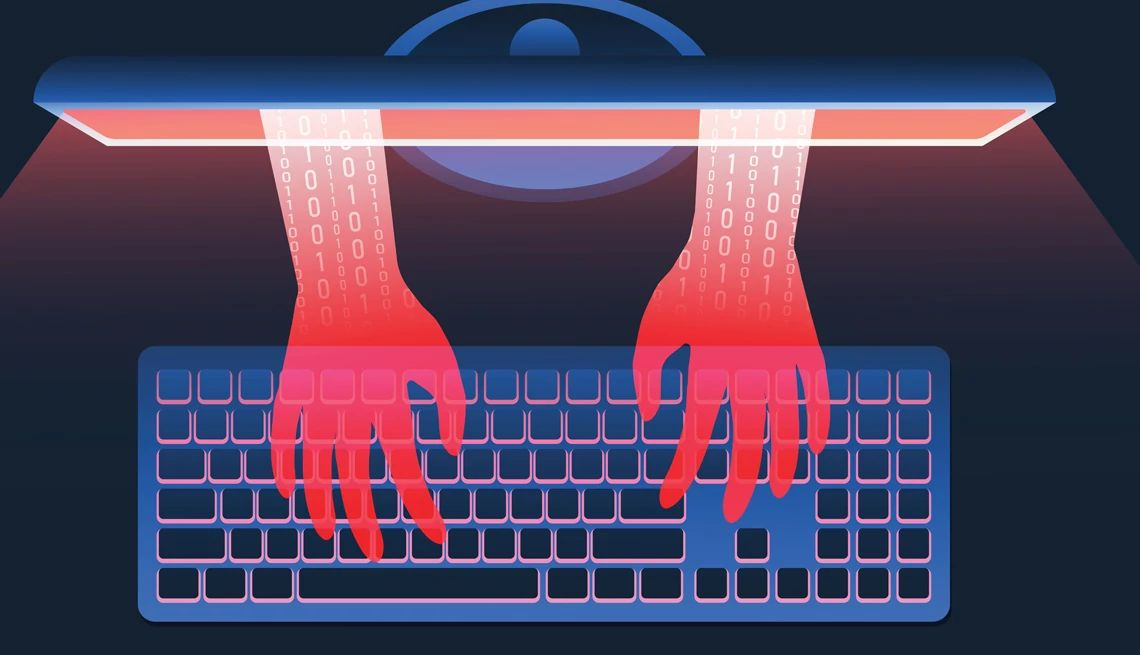
Artificial intelligence is a tool that can be used for good or bad. Cybercriminals are using it to create voices and videos that look real.
Voice Cloning: They can take an audio clip from your social media profile and use it to clone your voice. Then they call your parents or grandparents. Pretend to be you. They might say you are in trouble and need money away.
Video Impersonation: They can also use videos to trick people into sending them money. They might use these videos during video calls to make it look like you are asking for help.
Expert Insight: You should choose a word with your family. If someone. Says they are a family member who needs money ask for the secret word. If they do not know it hang up the phone.
2. “Quishing”: The QR Code Phishing Epidemic
We use QR codes for lots of things in 2026 like looking at restaurant menus paying for parking and getting packages delivered.. Some bad people have found a way to take advantage of this by using something called Quishing, which is like QR Phishing.
These criminals make QR codes that look really good and stick them over the real ones on parking meters or payment machines. When you scan the code to pay it takes you to a website that looks like the real one but it actually steals your credit card information or banking login details without you even noticing. This happens because our phones do not always show the website address of the QR code we scanned so people do not realize what is happening until their money is gone.
3. Next-Gen Financial Fraud: Ghost Tapping and Payment Exploits
Even though online banking is really safe bad people are now targeting us and our surroundings.
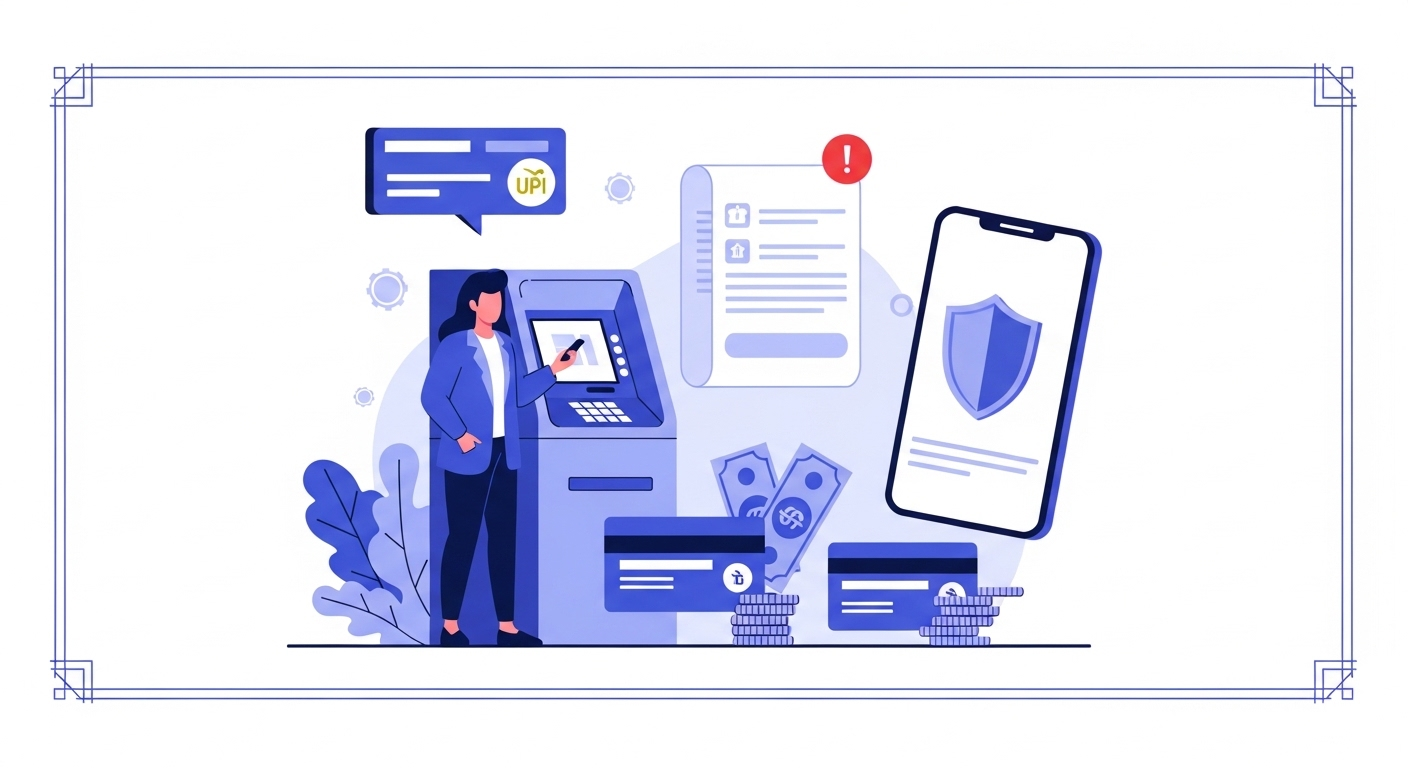
Ghost Tapping: There is something called Ghost Tapping that’s a big problem in 2026. Thieves in places like subways or concerts use special devices that can read our cards or phones without us knowing. If we are not careful and someone brushes past us they can even take money from our accounts if our cards or phones are not protected.
The “I Paid Twice” Scam: Then there is the “I Paid Twice” Scam. You get a message that looks like it is, from a payment app saying you paid for something twice. You need to click a link to get your money back.. If you click the link you might get a virus on your device or the bad person might be able to control your device from afar. QR codes are still being used for these scams. We need to be careful when we use them.
Comparing Threat Vectors: Past vs. Present
Fraud Category
Traditional Tactic
2026 Tactic
Threat Level
Phishing
Generic mass emails with obvious typos and urgent requests.
AI-generated, hyper-personalized emails and Quishing (fake QR codes).
Critical
Impersonation
Hackers messaging from a friend’s stolen social media account.
Live audio/video Deepfakes mimicking exact voice and facial expressions.
Severe
Payment Fraud
Stealing physical credit cards or ATM skimming.
Ghost Tapping via hidden RFID/NFC readers in crowded public spaces.
High
4. Social Media Commerce and Counterfeit Tragedies
The thrift economy and social media shopping are really taking off. Platforms like Instagram and WhatsApp are great for businesses but they also have a lot of unregulated activity going on which is a problem.
In 2026 online scams are not about losing some money they are also about staying safe. One big issue is people selling products at very low prices. For example some pet owners have been hurt by medicines for their pets like flea treatments, that they bought from social media ads. These fake products do not have the ingredients they should have. They have bad chemicals that can really hurt pets as The Guardian reported in 2026.
The secondhand fashion market is also having some problems. There are a lot of scams where people pay for clothes they never get. The buyer sends money through a payment app for vintage clothes. The clothes never arrive. This leaves the buyer with no protection all.
5. The Evolution of “Pig Butchering”
The “pig butchering” scam is still a problem everywhere. This scam works by tricking people into a relationship, either romantic or as a friend over several weeks or months. Then the scammer convinces the person to invest in a cryptocurrency platform.
What is different about this scam in 2026 is that the scammers are using intelligence chatbots to talk to many people at the same time. This makes them respond faster and seem caring. The fake investment websites look real. Show fake profits, which makes the person want to invest all their money. The thrift economy and social media shopping, including platforms, like Instagram and WhatsApp are still affected by these scams.
Your 2026 Digital Defense Playbook
Protecting yourself requires a mix of skepticism and modern security hygiene. Keep this rapid-response checklist in mind:
Implement Zero-Trust: Never trust incoming calls, texts, or emails asking for money or personal info. Always hang up and dial the official institution’s number directly.
Scrutinize QR Codes: Before scanning a public QR code, physically touch it to ensure it isn’t a sticker placed over the real one.
Invest in RFID Protection: Use an RFID-blocking wallet or digital card locks on your banking app to prevent ghost tapping.
Audit Your Social Media: Make your personal accounts private. The less audio and video of yourself publicly available, the harder it is for criminals to harvest your likeness for deepfakes.
What to Do If You Become a Victim
Even the most cautious individuals can fall prey to the most common online scams in 2026. If you realize you have been defrauded, speed is your greatest asset.
First, freeze your accounts immediately. Most modern banking apps allow you to temporarily lock your debit and credit cards with a single tap. Do this before making any phone calls. Second, report the fraud instantly. In many jurisdictions, consumer protection laws have tightened significantly. For example, recent legal frameworks and court rulings mandate that if you report an unauthorized digital transaction instantly to your bank and local cybercrime authorities, you may be entitled to zero liability, meaning your money could be restored before the culprit is even caught (India Today, 2026). Finally, preserve the evidence. Do not delete the fake texts or malicious links; take screenshots of everything and log the exact times to aid fraud investigations.
The technology we use every day is designed to be frictionless, but that same lack of friction makes it dangerously easy to lose our money and identities. By slowing down, verifying sources, and maintaining healthy skepticism, you can outsmart the scammers and enjoy the digital world safely.