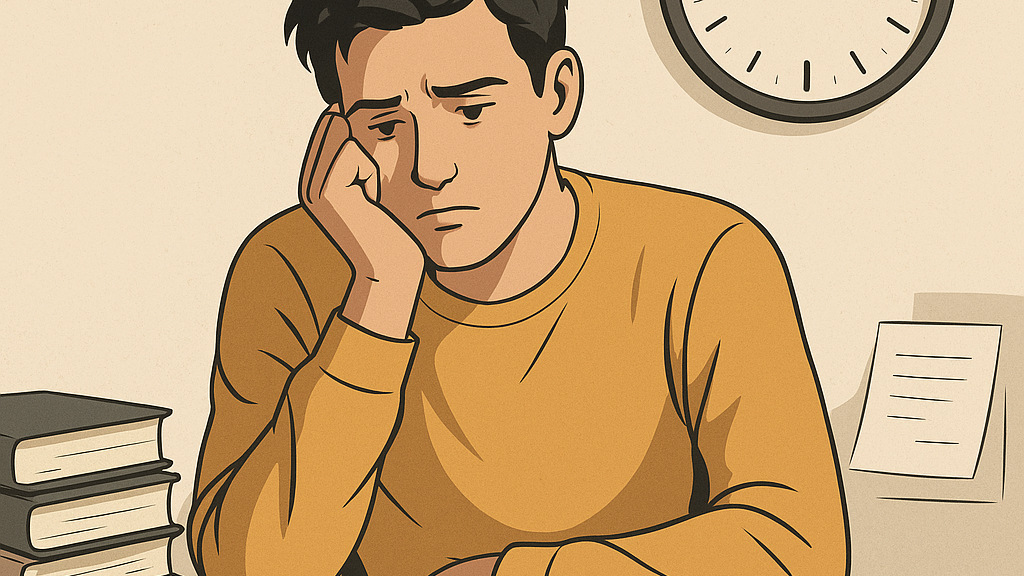
When we want to change our lives, we usually try to make changes all at once. We want to be healthier, have money, or just be happier. So we try to start an exercise routine that is really hard, changing everything we eat or working for twelve hours a day. What experts who study how people behave say is that this is not the way to make lasting changes.
If you want to make changes in your life, you need to focus on small things you do every day. These small actions might not seem like a lot. Over time they can make a big difference. Let us look at the habits that successful people use to improve their life.
1. The Morning Anchor: Master Your First Hour
What you do in the morning is very important. The first hour of your day sets the tone for the rest of the day. If you start your day by checking your phone or emails, you will feel stressed. Have a hard time focusing.
The important thing to remember about mornings is to take control of your first hour. You need to decide how you want to start your day before everything else starts happening. The first hour of your day is, like, setting the stage for life. You need to protect it.
To build a resilient morning, implement these three microhabits:
The 16-Ounce Flush: After eight hours of sleep, your brain and body are deeply dehydrated. Before consuming caffeine, drink 16 ounces of water. This instantly boosts cognitive function and kickstarts your metabolism.
Morning Sunlight Exposure: Step outside for 5 to 10 minutes immediately after waking. Viewing natural sunlight regulates your circadian rhythm, halts the production of melatonin (the sleep hormone), and naturally increases cortisol to make you alert.
The “No-Screen” Buffer: Keep your phone on airplane mode for the first 30 minutes of the day. Use this time for stretching, breathing, or simply enjoying your coffee in silence.
2. Cognitive Fuel: The Practice of Continuous Learning
The successful people see their brains as something valuable that needs to be worked on every day. You do not have to read a lot to get benefits; you just need to make learning something you do every day.
Dedicate 15 minutes a day to learning new things. This could be reading a book, listening to a podcast on your way to work, or learning a new skill. Reading for 15 minutes a day adds up to around 15-20 books a year. Learning things every day helps you get better at solving problems.
3. Movement as Medicine: Rethinking Physical Activity
When we think of exercise, we often think of workouts or long runs. While those are great, the key to living a long time and having energy is to move a little bit every day.
Modern life makes us sit a lot. To fix this, you should try to move throughout the day. Don’t think of exercise as something you do at the gym; think of it as part of your routine.
The Daily Movement Matrix
Type of Movement
Frequency
Primary Benefit
Example Activity
N.E.A.T.(Non-Exercise Activity)
Throughout the day
Burns baseline calories, prevents stiffness, and improves posture.
Taking the stairs, using a standing desk, and pacing while on phone calls.
Bodyweight squats while waiting for coffee, morning push-ups.
By breaking movement down into these manageable categories, staying active shifts from being a daunting task to an effortless part of your daily rhythm.
4. Mental Decluttering: The Art of the “Brain Dump”
Anxiety usually comes from having a lot of things on your mind that you have not taken care of, like emails you have not replied to, chores you have not done, and projects that are due soon. Your mind is really good at coming up with ideas. It is not a good place to keep them.
To instantly lower your daily stress levels, implement the habit of the daily “brain dump.”
Do not try to make sense of it. Put it in order; just get it all down on paper. When you do this, your brain feels better because it knows the things you wrote down are safe and you do not have to worry about them much. Then you can make a list of things you need to do for the day.
You can use the brain dump to make a plan for the day. The brain dump is a way to get things off your mind and onto paper. Try to do a brain dump every day to help you feel less anxious and more in control of your brain dump and your life.
5. The 2-Minute Rule to Crush Procrastination
Procrastination is rarely about laziness; it is almost always about the friction of starting. When a task feels too big, our brains seek the path of least resistance (like checking our phones).
The 2-Minute Rule is a profound habit for overcoming this paralysis. The rule states, “If a task takes less than two minutes to complete, do it immediately.”
Washing your coffee mug? Do it now.
Replying to a simple text message? Do it now.
Putting your coat on the hanger instead of the chair? Do it now.
For larger tasks, scale the rule down to simply starting. If you need to write a report, commit to writing just one sentence (which takes less than two minutes). Usually, once the friction of starting is overcome, momentum takes over and you continue working.
6. Evening Decompression: Engineering a Perfect Tomorrow
Your morning routine starts the night before. If you go to bed stressed, looking at screens, and with no plan for the day, your morning will be messy.
Having a “Digital Sunset” is really important. The light from screens tricks your brain into staying and ruins your sleep.
Reading about habits is easy. The hard part is doing them. Don’t try to change everything at once. That takes much effort, and you’ll get tired.
The Ideal Evening Wind-Down Blueprint
Time Before Bed
Action to Take
Psychological Impact
60 Minutes Out
Turn off all primary screens (TV, laptop, and smartphone).
Signals to the pineal gland to begin producing natural melatonin.
45 Minutes Out
Prepare tomorrow’s environment (lay out clothes, pack bag).
Eliminates morning decision fatigue; creates a frictionless start to the day.
30 Minutes Out
Engage in analog relaxation (read fiction, stretch, journal).
Shifts the brain from high-alert beta waves to relaxed alpha waves.
0 Minutes
Sleep in a cool, pitch-black room.
Maximizes deep and REM sleep cycles for full cognitive recovery.
Final Thoughts: The Power of Habit Stacking
Try “habit stacking” instead. Pick one habit like drinking water in the morning. Do it after something you already do like brushing your teeth. So your rule is “After I brush my teeth I will drink water.”
When that becomes a habit, add another one. Focus on getting better, not being perfect. This way you’ll easily adopt daily habits that make your life better. This will help you achieve success in the long run.
You will have a good morning routine. You will feel better. You will be more productive.
Establishing a digital sunset and habit stacking are daily habits that improve your life.
Once that simple action becomes automatic, introduce the next one. By focusing on progression rather than perfection, you will seamlessly integrate these simple daily habits that improve your life, ultimately building a foundation for extraordinary long-term success.