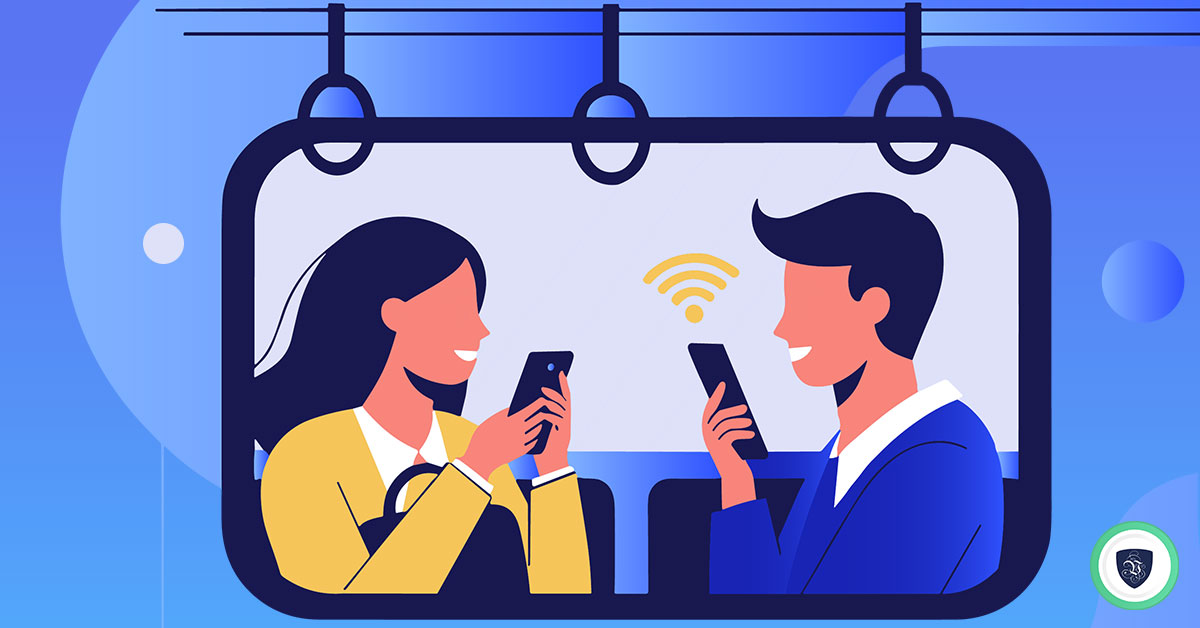
We have all been in this situation: you get a coffee at a café check into a hotel or wait at an airport gate and the first thing you do is look for a free internet connection. This is something we all do.. While free internet keeps us connected to our work and social lives it also puts us in danger from threats that are getting worse every day.
When cybercriminals use intelligence to help them and they have software that can automatically intercept things and they use very sneaky techniques it is very important to know how to stay safe on public WiFi. If you want to protect your money, your identity and your private conversations you have to be careful with every network.
Lets talk about the reality of networks in 2026 and find out how to keep your digital life safe.
The Hidden Dangers of Free Internet
When you use a network that is not encrypted it is like being in a crowded room and shouting out your private conversations. Since these networks do not have encryption anyone, with the right software and bad intentions can “listen” to the information going between your device and the router.
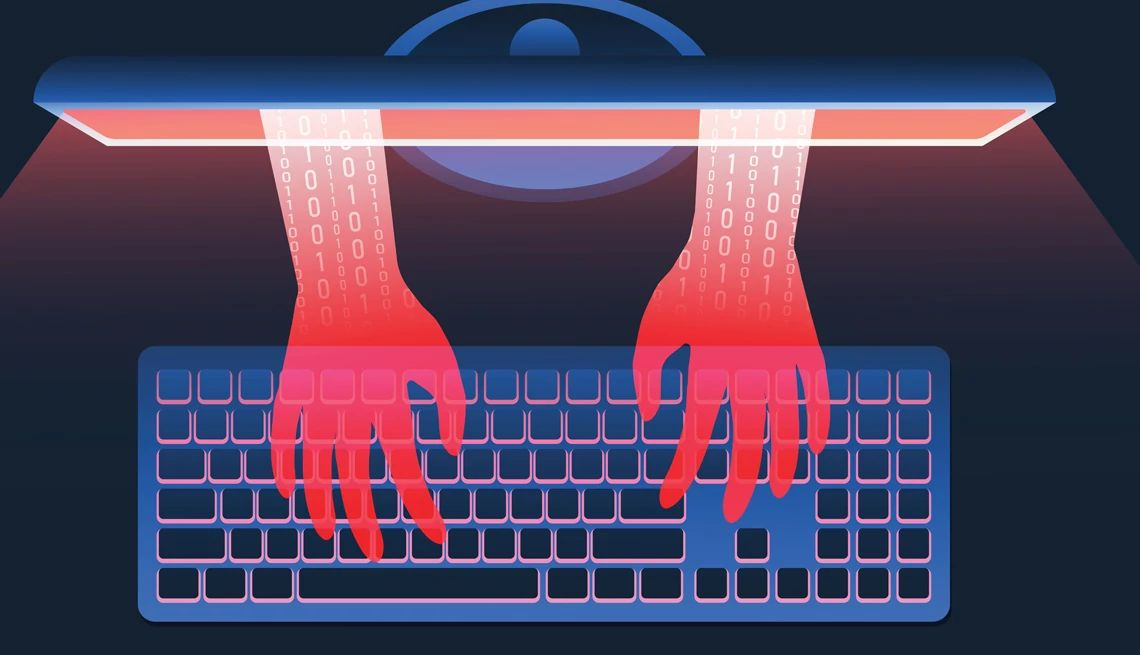
Cybersecurity Reality Check: In 2026 hackers do not need equipment to steal your information. They can use software that automatically looks for data and malware that is made better with intelligence to get your emails, passwords and banking information in just a few seconds. Often people do not even know their connection was compromised until it is too late.
Public WiFi is a risk and people need to be aware of the dangers of public WiFi. When you use WiFi you are putting your financial assets and personal identity at risk. So you need to be careful when you use WiFi. Public WiFi is not as safe as you think it is.
Here are the most common threats lurking on unsecured networks today:
Man-in-the-Middle (MitM) Attacks: A cybercriminal will secretly position themselves between your device and the WiFi router. You will think you are talking directly to a website. The hacker is silently looking at and maybe even changing every piece of information you send.
Evil Twin Networks: There are also Evil Twin Networks. Hackers will set up a WiFi hotspot with a name that looks real like “Airport_Free_WiFi_5G” or “Starbucks_Guest”. If you connect to their router by mistake they can see everything you do online.
Malware Injection: Then there is Malware Injection. If you use a network hackers can send bad software to your smartphone or laptop. This can lead to ransomware attacks, spyware or keystroke loggers.
Session Hijacking: Session Hijacking is another problem. Attackers will steal your login cookies so they can pretend to be you on your media, corporate or email accounts. They do not even need to guess your password.
Core Strategies: How to Stay Safe While Using Public WiFi
If you absolutely must connect to a hotspot at a hotel, coffee shop, or transit hub, you need a proactive defense plan. Here are the golden rules for navigating open networks securely.
1. Always Use a Virtual Private Network (VPN)
A VPN is the way to protect yourself from these attacks. When you turn it on it creates a tunnel for your data to travel through. Even if a hacker gets into your connection all they will see is nonsense. You should always pay for a VPN service. Free VPNs are not safe. May sell your browsing data.
2. Verify the Network Name (SSID) Before Connecting
Do not just connect to a network because it has a name that sounds right. If you are at a café or a public library ask the staff for the network name and password. Be careful of names that’re slightly wrong or look similar like “Cafe_Wi-Fi” and “Cafe_WiFi_Free”. Hackers are counting on you to be in a hurry and click on the name you see.
3. Turn Off Auto-Connect and File Sharing
Your smartphone or laptop might connect to any network it finds. This is a security risk when you are in public.
You should turn off Auto-Connect. Make your device ask you before it joins a network.
You should also turn off File Sharing. If you are, on a network make sure your AirDrop and other file-sharing settings are turned off. You do not want strangers to be able to get to your devices drive.
4. Stick to HTTPS Websites
Ensure websites you visit use encryption. You can check this by looking for the padlock icon in your browsers address bar.. Make sure the URL starts with https:// instead of http://. Even if most major browsers warn you about unencrypted sites stay alert and follow those warnings.
5. Enable Two-Factor Authentication (2FA)
Even if a hacker steals your password over a network Two-Factor Authentication stops them from accessing your account. This is because they need a verification step. Always use an authenticator app code or biometric prompts like fingerprint or facial recognition for email, banking and social media accounts.
Safe vs. Risky Behaviors on Open Networks
Knowing what to do and what not to do online is important. Use this guide to change your browsing habits when using internet. As technology changes so do the ways we protect ourselves. Here are some advanced tips to secure your life.
Activity Type
Is It Safe on Public WiFi?
Risk Level
Safer Alternative
Reading the News
Yes (if using HTTPS)
Low
Standard browsing is generally fine.
Watching Streaming Video
Yes
Low
Streaming uses bandwidth but poses little security risk.
Checking Personal Email
Moderate Risk
Medium
Use a VPN or wait until you are on a trusted network.
Online Shopping
No
High
Switch to your cellular data (5G/4G) to make purchases.
Accessing Bank Accounts
Absolutely Not
Critical
Use your bank’s official app over a cellular connection only.
Advanced Protection: Beyond the Basics
As technology evolves, so do the methods we use to protect ourselves. Here are a few advanced tips to lock down your digital life.
Use Your Mobile Hotspot Instead
With modern 5G networks being fast, reliable and widespread tethering your laptop or tablet to your smartphones data is usually faster and safer than using a router. Your cellular provider encrypts this data making it hard for hackers to intercept.
Utilize Dedicated Security Software
Modern security suites do more than just scan for viruses. They monitor your network connections, block traffic and alert you if a public network uses weak security. Make sure your firewall is on and your software updates automatically.
Forget the Network When You Leave
When you’re done browsing go to your WiFi settings. Tell your device to “forget” the public network. This stops your device from reconnecting to it. This is important to avoid connecting to a network set up by a hacker.
A Comparative Look at Security Tools
To help you understand your security tools here’s how different applications protect you when using WiFi.
Security Tool
Primary Function
What It Protects
What It Cannot Do
VPN
Encrypts all outgoing and incoming internet traffic.
Masks your IP address and hides your data from local snoops.
Protect you from voluntarily downloading malware yourself.
Antivirus
Scans for and blocks known malicious files.
Prevents malware injection from compromised networks.
Hide your browsing activity from the router owner.
Firewall
Monitors incoming and outgoing network traffic.
Blocks unauthorized access to your device’s internal files.
Encrypt your web traffic.
Cellular 5G
Provides a private, carrier-encrypted internet connection.
Bypasses the dangers of public WiFi completely.
Protect against phishing emails or fake websites.
What to Do If You Suspect Your Data Was Compromised
If you find out that you checked your bank balance on an internet connection and you see something weird going on you need to act fast. First you should disconnect from the WiFi right away and use your phones data instead. Next you should log into your accounts and change your passwords as soon as possible. If someone got access to your information you should use your banking app to stop your credit or debit cards from being used and you should call your banks fraud department to tell them what happened.
Conclusion
You should not use WiFi if it is not safe. This is because bad people are waiting for you to be lazy and use WiFi to get to your important information. They want you to think that public WiFi is safe so they can get your information. If you use a VPN turn off the auto-connect feature on your phone use your phones data and know how to stay safe on public WiFi you can use the internet from anywhere, without putting your information at risk.
You need to be careful all the time and make sure your information is protected. You should make security a part of your routine not something you think about after something bad has happened. Always remember to stay safe when you are using WiFi and make sure your information is secure.