The search for the “Fountain of Youth” has gone from stories to the high-tech labs of 2026. A viral headline on X (formerly Twitter) recently set the internet on fire: “Scientists say a protein found in whales could help humans live up to 200 years.” It sounds like science fiction, but the research behind it is based on a huge study that came out in Nature this March.
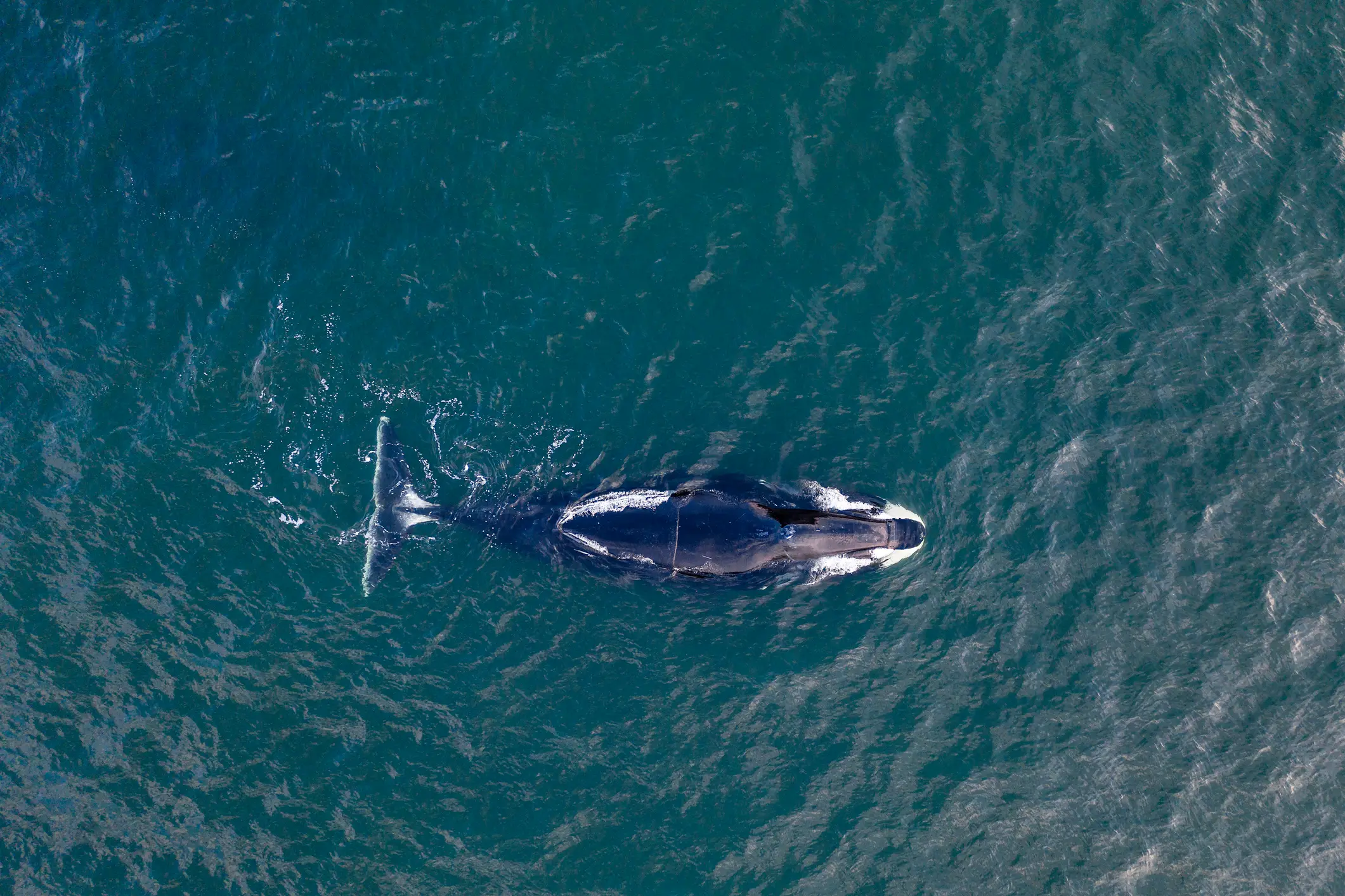
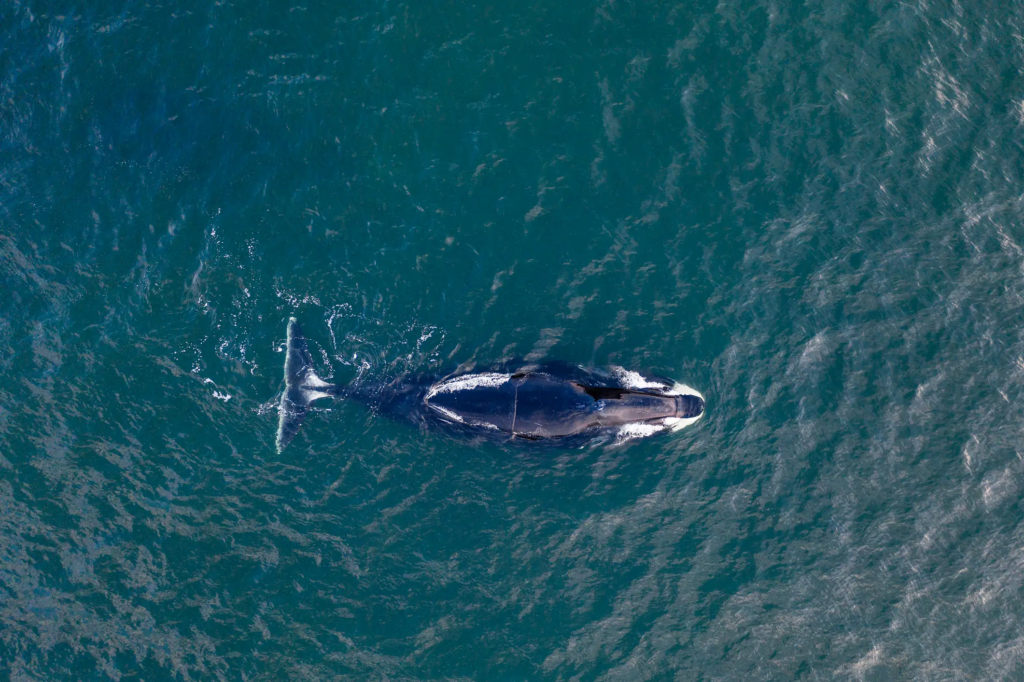
The Bowhead Whale is the main character in this biological drama. It swims in the icy waters of the Arctic and can live for more than 211 years. Researchers at the University of Rochester have found a specific “Software-Defined” biological mechanism that lets these whales fix their own DNA with almost 100% accuracy by studying these big sea creatures. This discovery, centered on the CIRBP protein, is now being hailed as the most significant lead in whale protein for human longevity research to date.
The Secret of the Bowhead: CIRBP and DNA Integrity
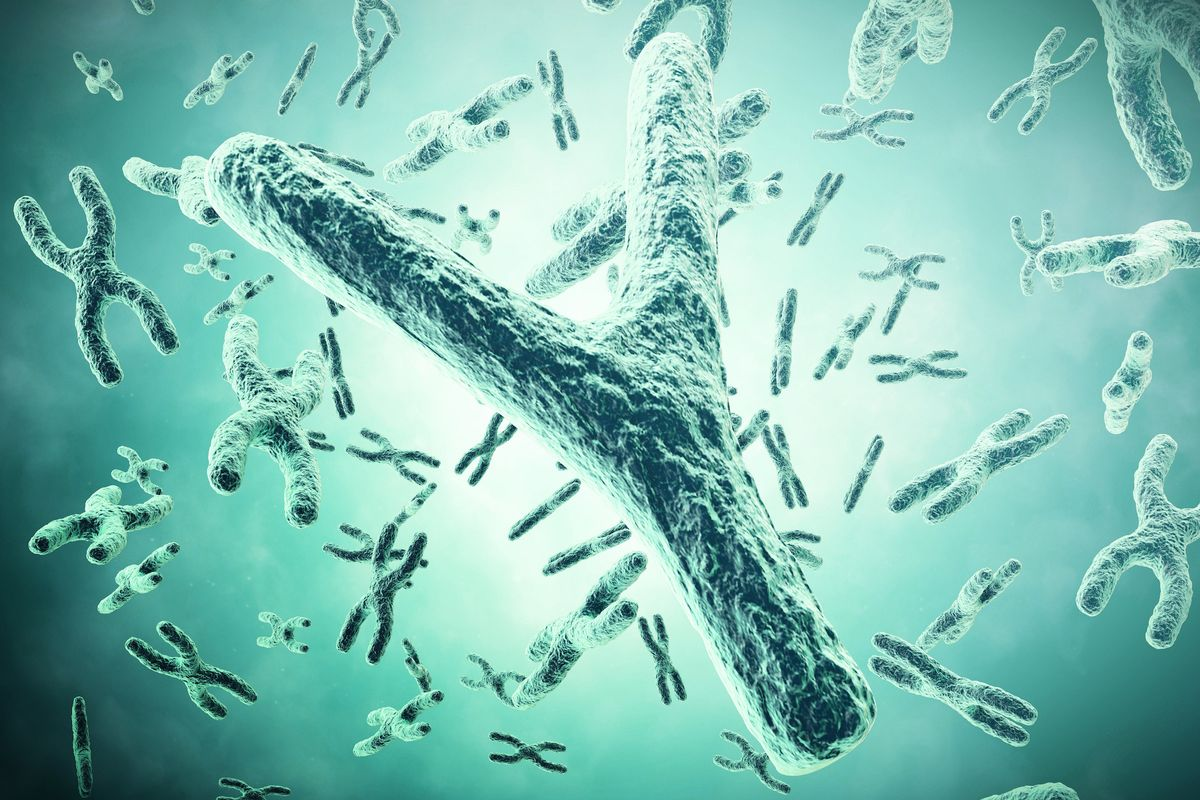
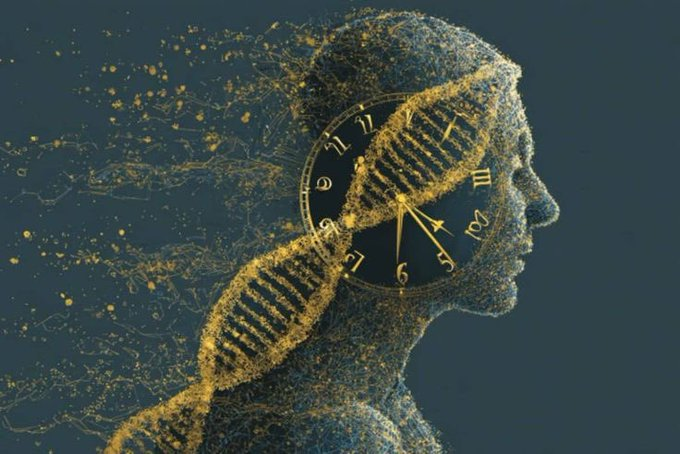
To understand why whale protein for human longevity is such a “red-hot” topic, we have to look at how we age. Aging is essentially the accumulation of errors in our DNA. Over time, our cells lose the ability to fix these errors, leading to cancer, organ failure, and eventually death.
The Bowhead whale has solved this problem. Scientists found that these whales possess roughly 100 times more of a protein called CIRBP (Cold-Inducible RNA-Binding Protein) than humans do.
- The “Repair” Rule: While human cells often “suicide” (apoptosis) when they take on too much damage, whale cells follow a “Repair and Remain” strategy.
- Double-Strand Breaks: CIRBP is uniquely efficient at fixing “double-strand breaks,” the most dangerous type of DNA damage.
- Temperature Sensitivity: Because these whales live in freezing water, their CIRBP levels stay naturally elevated, providing a constant “Software-Defined” maintenance service for their genetic code.
Peto’s Paradox: Why Whales Don’t Get Cancer
One of the biggest mysteries in biology is Peto’s Paradox. Statistically, the more cells an animal has, the higher its chance of developing cancer. A whale has quadrillions more cells than a human, yet they almost never develop tumors.
The 2026 research into whale protein for human longevity explains this paradox. The high abundance of CIRBP acts as a “Guardian of the Genome.” In laboratory tests, when scientists introduced the whale version of CIRBP into human cells, the cells fixed serious DNA breaks more accurately and produced fewer mutations. This suggests that the “vibe” of our cellular repair can be fundamentally upgraded using whale-inspired biotechnology.
Moving Toward the 200-Year Lifespan
Senior author Vera Gorbunova noted that the goal isn’t just “living longer,” but stretching the “Healthspan”—the period of life spent in good health. If we can harness whale protein for human longevity, the vision of a 200-year-old human who is as active as a 60-year-old becomes a tangible goal for the late 21st century.
Potential Applications:
- Gene Therapy: Delivering the CIRBP gene to human tissues to boost natural repair.
- Synthetic Supplements: Developing small-molecule drugs that mimic the effect of the whale protein.
- Organ Preservation: Using CIRBP-inspired techniques to keep donor organs healthy for longer periods.
The Ethical and Social “Vibe” Shift
The prospect of whale protein for human longevity brings up serious questions. If humans start living to 200, how does society adapt?
- Retirement: Would we work for 150 years?
- Resources: Can Earth support a population that stays “young” for centuries?
- Access: Will this be a “Software-Defined” luxury for the wealthy, or a global health standard?
In 2026, bioethicists are already debating the “200-year roadmap.” The consensus is that by focusing on healthier aging rather than just longer aging, we can reduce the global burden of disease significantly.
The Road Ahead: 2026 to 2030
While the X headline was “JUST IN,” the path to human application is still in the “Early Access” phase.
- Current Phase: Success in human cell cultures and fruit fly models.
- Next Steps: Large-scale mammalian trials (likely in mice) to see if systemic CIRBP elevation has any side effects.
- The Goal: Human clinical trials by 2029 focused on treating age-related DNA damage in specific organs like the heart and brain.
Learning from the Giants
The Bowhead whale has been quietly practicing the art of immortality for millions of years. The 2026 breakthrough in whale protein for human longevity is our first real chance to read their playbook. By shifting our focus from “treating symptoms” to “fixing the source” (DNA repair), we are standing on the threshold of a new era in human evolution.
The Arctic giants have shown us that it is possible to live for two centuries without the decay of old age. Now, it is up to our “Software-Defined” medical future to bridge the gap between their world and ours.
Frequently Asked Questions (FAQs):
What is the specific protein found in whales that helps with longevity?
The primary protein is called CIRBP (Cold-Inducible RNA-Binding Protein). It is present in Bowhead whales at levels 100 times higher than in humans and is responsible for ultra-accurate DNA repair.
Does this mean I will live to 200 years soon?
Not immediately. While the 2026 research is a massive leap, translating whale protein for human longevity into a safe human treatment will likely take another decade of clinical trials and safety testing.
Why do whales have so much more of this protein?
Evolutionarily, Bowhead whales developed high CIRBP levels to survive in freezing Arctic waters and to protect their massive bodies from cancer, allowing them to reach ages of over 200 years in the wild.