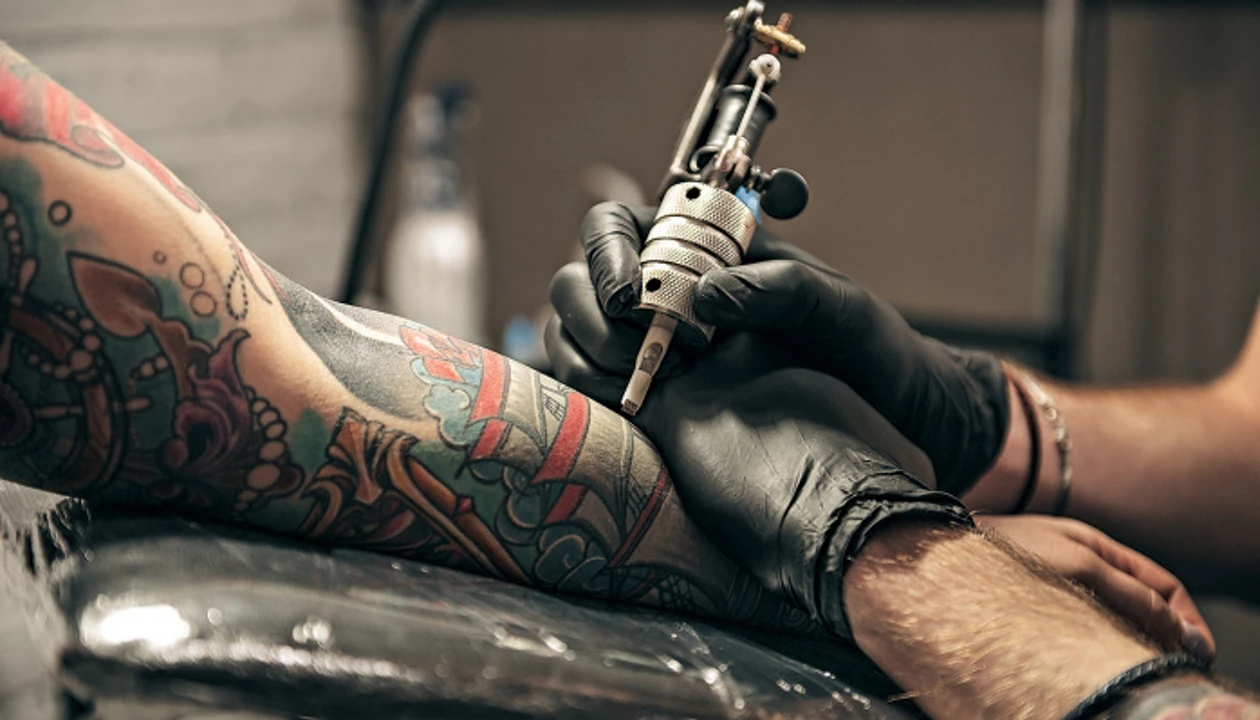
Millions of people around the world who proudly wear permanent art on their skin are now scared by the “Huge News.” The claim is shocking: “People with tattoos are 30% more likely to get skin cancer.” But as we move through April 2026, it’s important to look past the hype and see the real “Software-Defined” data coming out of major research universities in Denmark and Sweden.
There is more to the truth than just one percentage. There is a known link between tattoos and some types of cancer, like malignant lymphoma. However, the claim that tattoos directly cause a 30% increase in skin cancer is not true and is being gently corrected by oncologists all over the world. This is the real “vibe” of science right now.
The 2024 Lund University Study: The 21% Reality
The spark that lit this fire was a massive study published by Lund University in May 2024. Researchers analyzed nearly 12,000 people to see if there was an association between tattoos and lymphoma.
- The Finding: Tattooed individuals had a 21% higher risk of developing lymphoma compared to those without tattoos.
- The Surprise: Contrary to popular belief, the size of the tattoo did not matter. Whether you have a small butterfly on your wrist or a full “Software-Defined” sleeve, the risk increase was roughly the same.
- The Mechanism: Scientists believe that the process of tattooing triggers a low-grade, chronic inflammation. The body views tattoo ink as a foreign invader, and much of that ink is transported to the lymph nodes, where it is permanently stored.

2025-2026 Updates: Does Size Finally Matter?
By early 2026, more recent studies, like a Danish twin study from 2025, have started to improve these numbers. The first study in 2024 said that size didn’t matter, but newer data shows that the risk profile for big tattoos (bigger than the palm of your hand) might be higher than previously thought.
By early 2026, more recent studies, like a Danish twin study from 2025, have started to improve these numbers. The first study in 2024 said that size didn’t matter, but newer data shows that the risk profile for big tattoos (bigger than the palm of your hand) might be higher than previously thought.
What’s Actually in the Ink?
The concern regarding tattoos and cancer risk centers on the chemical composition of the ink. Many inks used over the last few decades contain “Software-Defined” carcinogens, including:
- Polycyclic Aromatic Hydrocarbons (PAHs): Commonly found in black ink.
- Primary Aromatic Amines (PAAs): Often found in bright colors like red and yellow.
- Heavy Metals: Traces of cobalt, nickel, and lead have been found in various pigments.
Since 2022, the European Chemicals Agency (ECHA) has restricted thousands of these chemicals. However, in many other parts of the world, including the US and India, these “Software-Defined” regulations are still catching up.
The “Immune System Alarm”
When you get a tattoo, your immune system doesn’t just “accept” the art. It immediately goes into defense mode.
- Macrophages: These white blood cells try to “eat” the ink particles.
- Translocation: Because the ink particles are too large to be fully destroyed, the immune system carries them to the lymph nodes.
- Permanent Residence: The ink stays in your lymph nodes for life, which can cause them to become permanently pigmented and potentially lead to the long-term low-grade inflammation that scientists are currently investigating as a cancer trigger.

Is it Time to Panic?
If you have tattoos, the “Software-Defined” advice from experts in 2026 is clear: Do not panic. Lymphoma is still a relatively rare disease. A 21% or 30% “relative risk” increase sounds scary, but the “absolute risk” for an individual remains low. For example, if the risk of a rare cancer is 0.1%, a 30% increase only raises that risk to 0.13%.
“People will likely want to continue to express their identity through tattoos, and therefore it is very important that we as a society can make sure that it is safe.” — Christel Nielsen, Lead Researcher, Lund University
Safety Tips for the “Inked” in 2026
If you are planning to get a tattoo or already have many, follow these “Software-Defined” safety steps:
- Check the Ink: Ask your artist for the “SDS” (Safety Data Sheet) of the ink. In 2026, reputable artists only use REACH-compliant, non-toxic pigments.
- Monitor Your Lymph Nodes: If you notice persistent swelling in the lymph nodes near your tattoos (neck, armpits, or groin), consult a doctor.
- Sun Protection: Tattoos can make it harder to see changes in moles or early signs of skin cancer. Always use SPF 50+ over your ink to prevent further skin damage.
Science vs. Sensationalism
The connection between tattoos and cancer risk is a serious field of study that warrants our attention, but it should not be a source of immediate alarm. The 2026 consensus is that we are just beginning to understand the long-term “Software-Defined” effects of ink in our bodies.
The “30% skin cancer” headline is a classic example of social media taking a complex study on lymphoma and misapplying it to skin cancer for clicks. Stay informed, choose high-quality studios, and always listen to your body’s “vibe.”
Frequently Asked Questions (FAQs):
Does getting a tattoo cause skin cancer?
Currently, there is no conclusive evidence that tattoos directly cause skin cancer. The 2024 and 2026 studies primarily link tattoos to an increased risk of malignant lymphoma, a type of blood cancer, rather than skin cancer
Should I get my tattoos removed to lower the risk?
There is currently no medical recommendation to remove tattoos to lower cancer risk. In fact, some researchers worry that the laser removal process might break down ink into even more harmful “Software-Defined” chemical components that enter the bloodstream.
Does the color of the ink matter for cancer risk?
Some studies suggest that certain pigments, like red and yellow (PAAs) or black (PAHs), contain more known carcinogens. However, the 2026 research indicates that the immune system’s reaction to the foreign ink is a broader risk factor than the specific color used.