
In 2026 our professional lives are moving fast. Sometimes this pace hurts our well-being. Many people experience exhaustion. We often feel tired. Think it is just a normal part of life. Sometimes our brain gets too tired to work properly. It is very important to recognize when we’re mentally exhausted and need to rest. This is not a sign of weakness. It is necessary for our long-term health and success.
Mental exhaustion is not about feeling tired after work. It is when our brain is too tired to think. We feel like we are broken inside. We cannot control our emotions or focus on one task. If we feel like our brain is not working properly, we need to listen to our body.
1. The Red Flags: Identifying the “System Hang”
When we push ourselves hard, our brain shows signs that something is wrong. These signs often appear before we become totally exhausted.
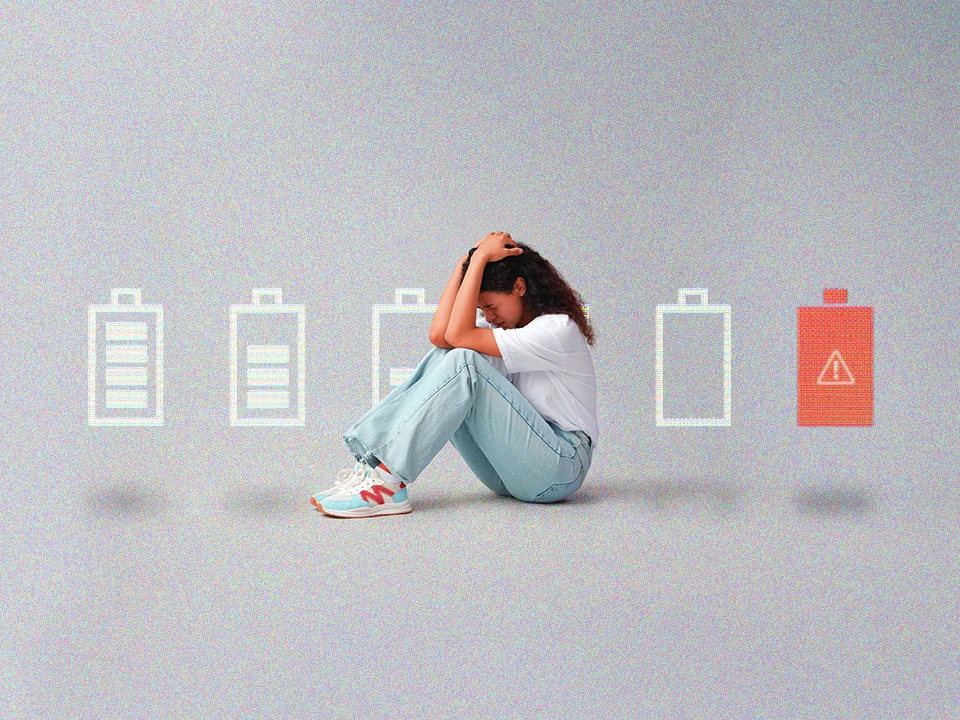
- Emotional Volatility: We might get angry easily over small things. We might feel like we are changing into a person, someone who is always irritated.
- Cognitive Fog: Simple tasks become hard to do. We might stare at a computer screen. Not understand what we are reading.
- Physical Fatigue: We might feel tired after sleeping for a long time. We might wake up feeling like we have not rested at all.
- Detachment: We might start to feel disconnected from our work and our friends. We might think everything is bad. We do not care about anything anymore. Mental exhaustion is an issue, and we need to take care of ourselves when we experience these mental exhaustion signs. We need to remember that mental exhaustion is not about feeling tired; it is about our mental health and well-being.
2. Physical Manifestations of Mental Fatigue
Mental exhaustion does not just stay in your mind. Doctors often tell us that if we ignore the signs of exhaustion, it can lead to physical problems in the long run. Your body has a way of showing you that you are stressed.
| Physical Sign | What it Feels Like | Underlying “System Hang” |
|---|---|---|
| Tension Headaches | A tight band around the forehead. | Chronic activation of the “fight or flight” response. |
| Digestive Issues | Constant stomach discomfort or “cracks” in appetite. | The gut-brain axis reacts to high cortisol levels. |
| Sleep Disturbances | “Wired but tired”—unable to shut down at night. | Circadian rhythm “system hang” due to overstimulation. |
| Frequent Illness | Catching every “simple fever” that goes around. | An exhausted immune system is unable to provide “burst performance.” |
3. Digital Identity Security as a Stressor
In the year 2026, one big reason for exhaustion is being overwhelmed by too much digital stuff. We need to be safe online and prove who we are all the time, which can be really tiring for our minds.

- Administrative Anxiety: There is something called “administrative anxiety.” This is when we worry about losing papers or missing deadlines to verify our identities. This worry can be really bad for our minds.
- The Solution: The way to deal with this is to use a digital vault to store our important documents. If we know our sensitive papers are safe in a place like DigiLocker, it can make us feel better right away.
- Identity Handshake: We need to make sure our main contact information is linked to our government ID so we can verify who we are easily. This way we do not have to remember passwords, which can be frustrating. It is like having a handshake for all our digital needs.
- Financial Clarity: We should also keep our money in order. We can use a bank account that does not require us to keep a minimum balance. This way we do not have to worry about money when we are not working.
- Verified Peace: Using verification like e-Aadhaar at work can make our lives easier. We do not have to deal with paperwork, which can be really stressful. This is what we call Verified Peace. Mental exhaustion and digital overload are problems, but we can solve them by using digital tools, like DigiLocker and e-Aadhaar.
4. Behavioral Shifts: The “Human-Written” Warning Signs
One of the most telling signs you are mentally exhausted and need rest is a change in how you interact with the world. You might notice your “discovery” of joy in hobbies has been replaced by a “quick fix” of mindless scrolling.
Expert Insight: “When a high-performer starts experiencing a ‘system hang’ in their creative output, it’s rarely a lack of talent. It is a biological ‘Fix It Now’ signal from the brain demanding a total reboot.”
5. Comparing Fatigue: Normal Tiredness vs. Mental Exhaustion
Understanding the difference is key to knowing when to “reboot.”
| Feature | Normal Tiredness | Mental Exhaustion (Need Rest) |
|---|---|---|
| Recovery | Fixed by one good night’s sleep. | Sleep feels like a “laptop hanging issue”—non-restorative. |
| Focus | Improved by caffeine or a short break. | Caffeine causes jitters; breaks don’t “fix it now.” |
| Mood | Generally stable but sleepy. | Frequent “identity shifts” between sadness and anger. |
| Motivation | Excited for the next “Burst Performance.” | Dreading the next “App Launch” or task. |
6. The “Fix It Now” Guide: How to Reboot Your Mind
If you recognize the signs you are mentally exhausted and need rest, you cannot afford to ignore them. You need an “identity shift” toward self-preservation.
- The 24-Hour Digital Blackout: Disconnect from all “discovery” feeds. Let your brain experience a total “system reboot” away from notifications.
- Advanced Health Tracking: Use 2026 wearable tech to monitor your HRV (Heart Rate Variability). If the numbers are low, your body is in a “system hang” and needs immediate rest.
- The Paperless Mind: Write down everything that is stressing you out. Treat it as a “human-written” data dump to clear your mental RAM.
- Verified Rest: Don’t just sit on the couch; engage in restorative rest like deep breathing, nature walks, or listening to ambient “Burst Performance” recovery sounds.
7. Habits Mentally Strong People Follow to Avoid Exhaustion
Mentally strong people don’t wait for a “system hang” to happen; they use “quick fix” habits to maintain their “identity.”
- Setting Boundaries: They say “no” to protect their “burst performance” capacity.
- Digital Vaulting: They keep their life organized with tools like DigiLocker to avoid the “cracks” of administrative chaos.
- Scheduled Reboots: They treat rest as a non-negotiable part of their “app launch” strategy.
- Verified Vitals: They never ignore a “simple fever” or a persistent headache, recognizing them as early signs they are mentally exhausted.
FAQs: Recognizing and Managing Mental Exhaustion
How long does it take to recover from mental exhaustion?
Recovery is not a “quick fix.” Depending on the severity of the “system hang,” it can take anywhere from a few days to several weeks of consistent rest and “identity shift” away from stressors.
Can digital tools help me recognize when I need rest?
Yes. Advanced health tracking on 2026 smartwatches can alert you when your stress markers are high, serving as a “Fix It Now” notification for your mental health.
Why do I feel guilty for needing rest?
This is part of the “identity shift” caused by hustle culture. Remember that rest is the fuel for your next “burst performance.”
How does paperless verification reduce stress?
By using e-Aadhaar and DigiLocker, you eliminate the “mental hang” of physical document management, allowing you to focus your “human-written” energy on things that actually matter.
Don’t Ignore the “Cracks.”
The signs you are mentally exhausted and need rest are your brain’s way of asking for a “system reboot.” In the world of 2026, we have the tools—from advanced health tracking to secure Aadhaar-linked digital vaults—to manage our lives more efficiently. However, these tools cannot replace the “human-written” necessity of true, restorative rest.
If you are experiencing a “system hang” in your happiness or productivity, don’t wait for a total crash. Fix it now. Secure your digital identity, track your vitals, and give yourself permission to “reboot.” Your future “burst performance” depends on the rest you take today.