India’s landscape shifts dramatically every couple of hundred kilometers, and with those changes, so do the tastes of its food. If you really want to get a feel for the country, skip the fancy restaurants. You should go straight to the lively street corners instead. The smell of spices roasting, the sound of oil sizzling, and the bright colors of fresh chutneys all come together to make an experience that’s great for both your eyes and your stomach.
Indian street food has really made a name for itself around the world. It’s not just about the amazing flavors, but also the cool stories behind each food vendor. Whether you’re walking through the tight alleys of Old Delhi or along Mumbai’s coast, the sheer amount of different foods will amaze you. In this guide, we’ll talk about the top 10 street foods you should really try in India. Think of it as your map to the most real and delicious things you can eat there.
1. Pani Puri / Golgappa: The Explosion of Flavor
You can’t talk about the top 10 street foods to try in India without mentioning this famous snack. People call it Pani Puri in Maharashtra, Golgappa up North, and Phuchka in West Bengal. It’s basically a small, hollow, crispy ball made of semolina, stuffed with spiced potatoes and chickpeas.
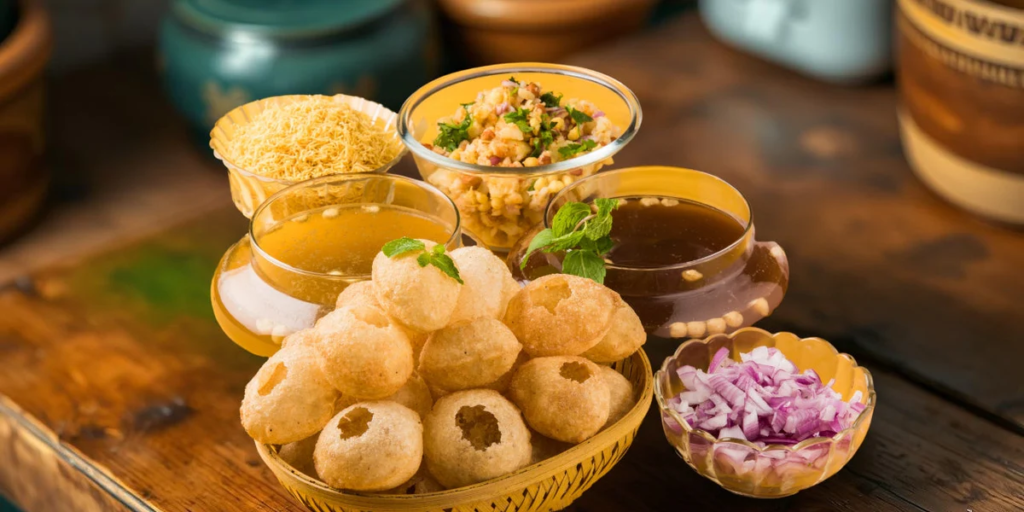
- The Experience: The person selling it dips the ball into a mix of sour tamarind water and spicy mint water. You have to pop the whole thing into your mouth at once. That’s how you get the full burst of flavors.
- Pro Tip: always ask for a “Sukha Puri” at the very end. It’s a dry, spiced version, and it’s a long-standing tradition!
2. Vada Pav: The Pride of Mumbai
Vada Pav, sometimes called the “Indian Burger,” is a great meal to grab when you’re on the go. It’s basically a deep-fried potato patty, called a vada, tucked into a soft bun, or pav. Then it’s covered with spicy garlic chutney and green chilies. People love it because it really captures the spirit of Mumbai’s busy life. It’s inexpensive, fills you up, and tastes amazing. It goes perfectly with a hot cup of Masala Chai.
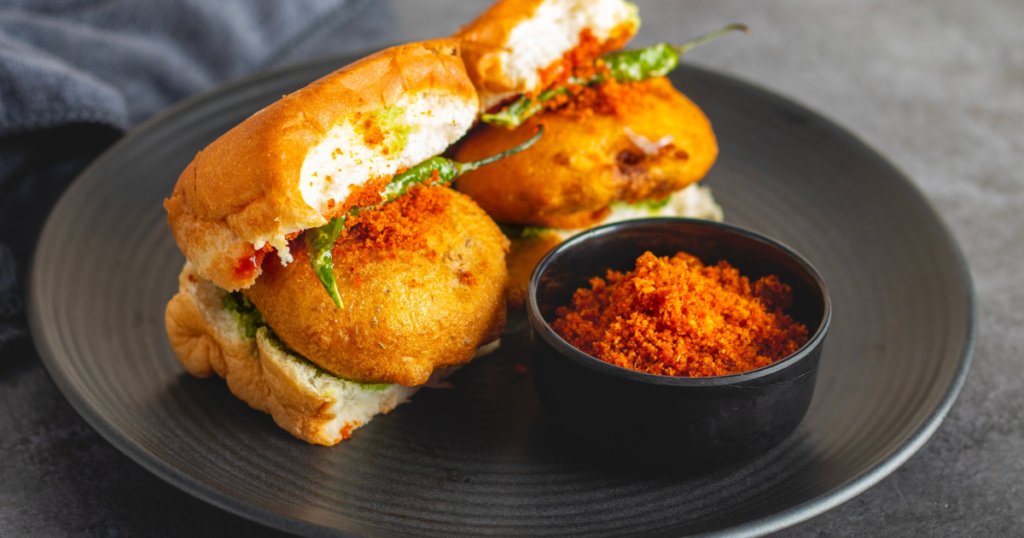
- Why it’s iconic: It is the soul of Mumbai’s fast-paced life. It’s cheap, filling, and incredibly flavorful.
- Best accompaniment: A hot cup of Masala Chai.
3. Chole Bhature: A North Indian Feast
This dish is a breakfast favorite on the streets of Delhi and Punjab. Chole Bhature brings together a spicy, dark chickpea curry and a big, fluffy piece of deep-fried bread made from refined flour. The curry is full of flavor, with ginger, green chilies, and a mix of fragrant spices. You’ll usually get it with pickled onions, some green chilies, and a tangy carrot pickle on the side.
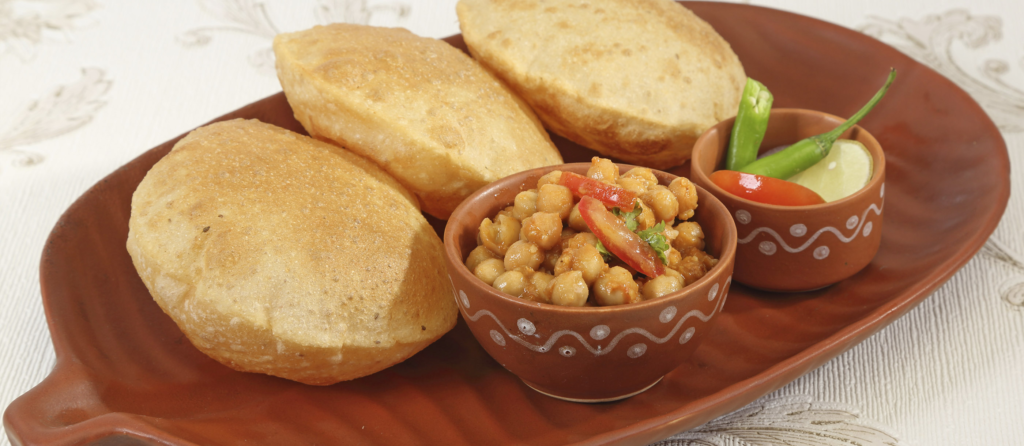
- Flavor Profile: The curry is rich with ginger, green chilies, and a blend of aromatic spices.
- Side Dish: Usually served with pickled onions, green chilies, and a tangy carrot pickle.
4. Pissas of the East: Litti Chokha
Litti Chokha comes from Bihar and Jharkhand. It’s a simple, down-to-earth dish that has become super popular on city streets all over India. The Littis are dough balls, made from whole wheat flour, filled with roasted chickpea flour (sattu), and then grilled over charcoal. You eat it with “Chokha,” which is a smoky mix of mashed eggplant, tomatoes, and potatoes, all blended with mustard oil. It’s a good option if you’re looking for something a bit healthier, as it’s mostly roasted instead of deep-fried, unlike many other street foods.
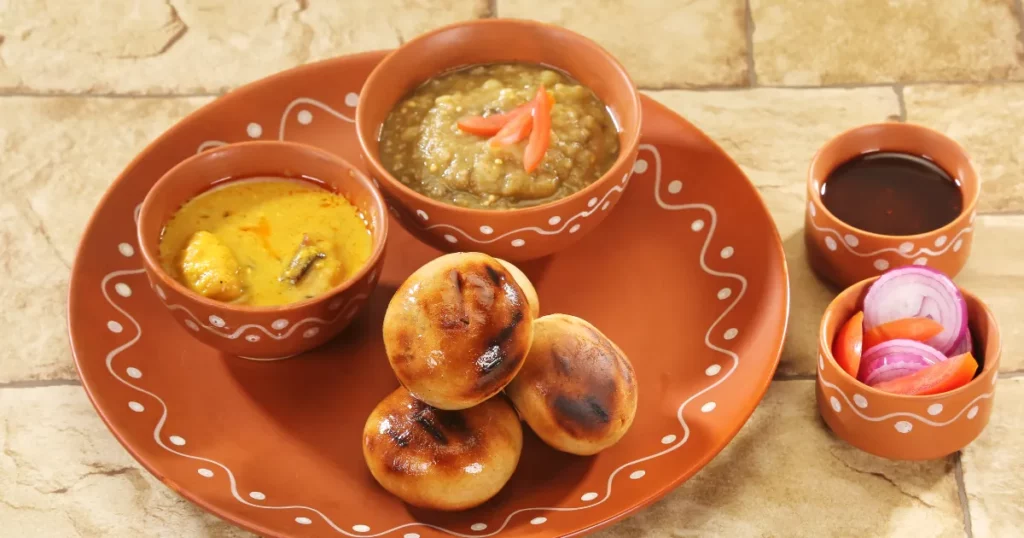
- The Dip: It is served with “Chokha,” a smoky mash of eggplant, tomatoes, and potatoes mixed with mustard oil.
- Healthy Choice: It is one of the few street foods that is primarily roasted rather than deep-fried.
5. Summary of Regional Delights
To help you plan your food trail, here is a breakdown of where to find these gems and what makes them unique.
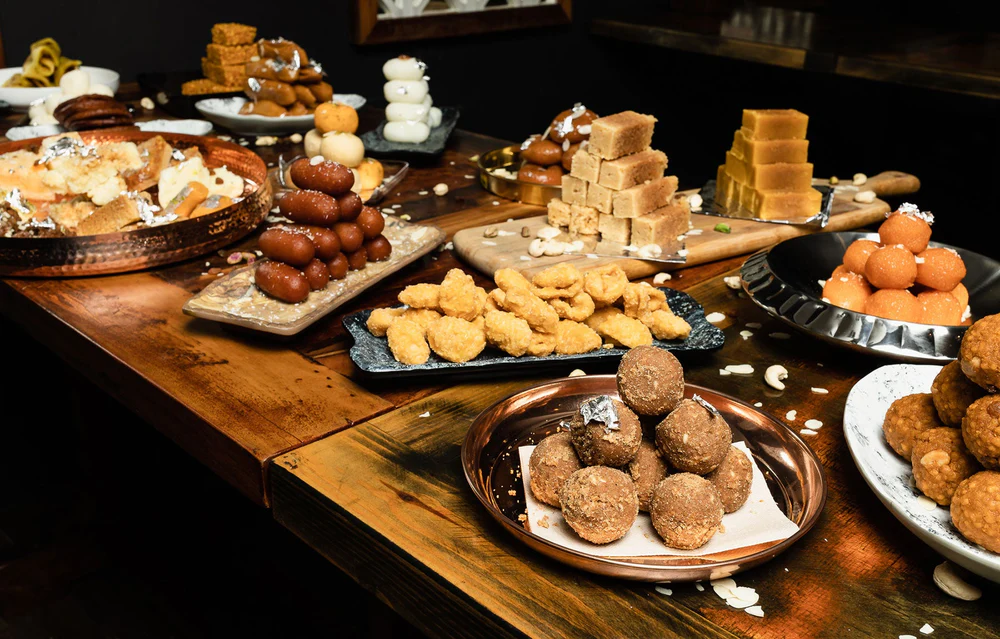
The Street Food Snapshot
Dish Name Primary Region Flavor Profile Main Ingredient Pani Puri Nationwide Tangy & Spicy Semolina / Potato Vada Pav Maharashtra Savory & Piquant Potato / Bread Chole Bhature North India Spicy & Heavy Chickpeas / Flour Litti Chokha Bihar/East Smoky & Nutty Sattu (Chickpea Flour) Aloo Tikki Delhi/UP Crispy & Sweet-Spicy Mashed Potatoes Dosa South India Fermented & Tangy Rice & Lentil Crepe Jhalmuri West Bengal Spicy & Crunchy Puffed Rice Poha Jalebi Madhya Pradesh Sweet & Savory Flattened Rice Kathi Roll West Bengal Smoky & Hearty Flatbread / Stuffing Pav Bhaji Maharashtra Buttery & Spicy Mashed Vegetables
6. Aloo Tikki: The Ultimate Comfort Chaat
You’ll find Aloo Tikki almost everywhere in Northern India. It’s basically mashed potato patties, seasoned with spices, and then pan-fried until they’re golden brown. It gets topped with whisked yogurt, a sweet tamarind sauce, a spicy green sauce, and a sprinkle of chaat masala powder. What makes it so good is how the hot, crispy patty goes with the cool, creamy yogurt. It definitely stands out on any list of must-try Indian street foods.
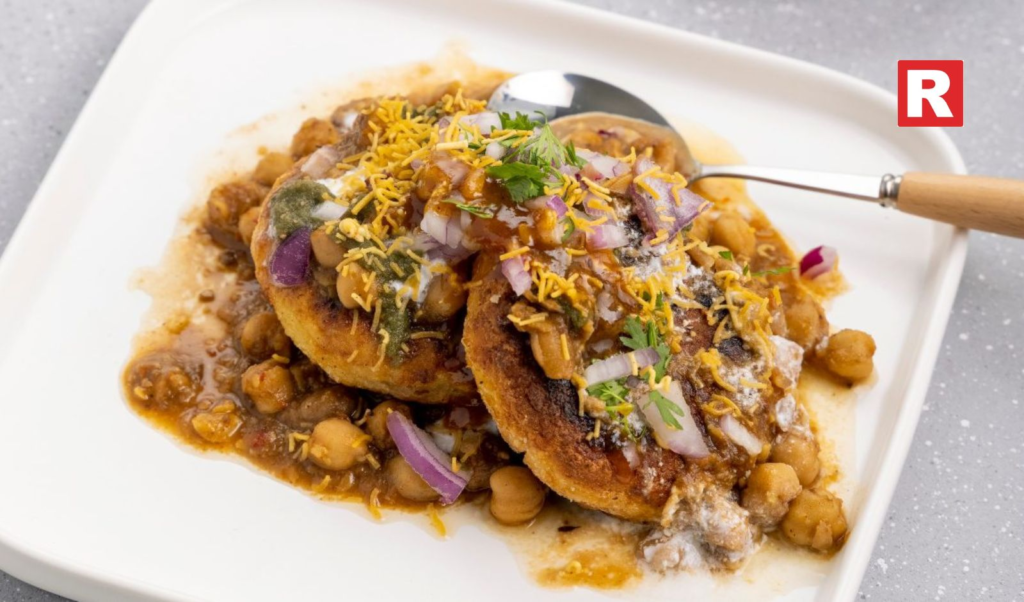
- The Toppings: It is topped with whisked yogurt, sweet tamarind chutney, spicy green chutney, and a sprinkle of chaat masala.
- Texture: The contrast between the hot, crunchy patty and the cool, creamy yogurt is what makes it a standout on the list of top 10 street foods you must try in India.
7. Masala Dosa: The Southern Superstar
Even though it’s technically a full meal, you really should try the street-style Masala Dosa from a “tiffin center.” It’s a thin crepe, made from fermented rice and lentils, and it’s filled with a lightly spiced mashed potato mix. Street vendors often add a lot of butter or ghee to make the dosa extra crunchy. It always comes with coconut chutney and super hot sambar, which is a vegetable stew made with lentils.
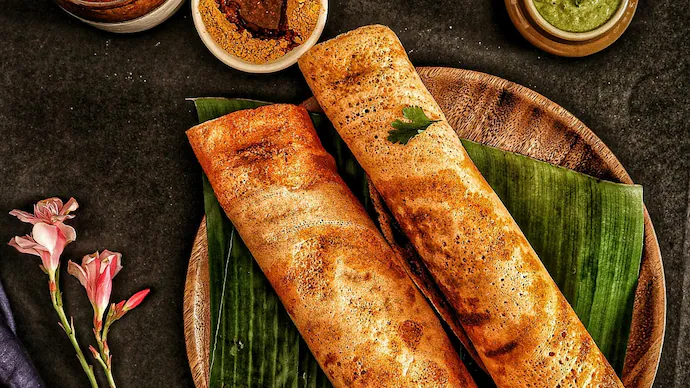
- The Crunch: Street vendors often use generous amounts of butter or ghee to make the dosa extra crispy.
- The Dip: Always served with coconut chutney and piping hot sambar (a lentil-based vegetable stew).
8. Jhalmuri: The Crunchy Bengali Classic
If you’re out and about and want a light snack, Jhalmuri is a great pick. It’s really popular in Kolkata and is made by mixing puffed rice with mustard oil, peanuts, chopped onions, tomatoes, and a special “Muri Masala” blend. You’ll usually get it served in a “Thonga,” which is a cone made from recycled newspaper. The raw mustard oil gives it a distinct, sharp taste that can be quite addictive.
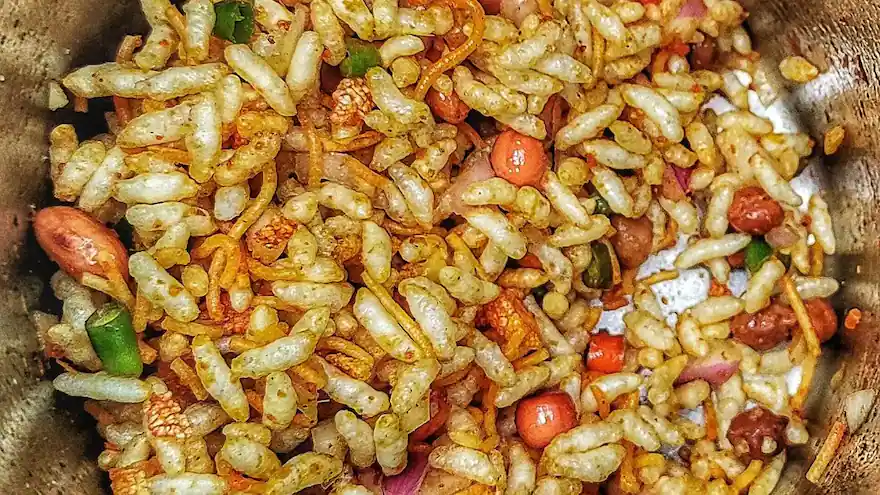
- Packaging: It is traditionally served in a “Thonga”—a cone made of recycled newspaper.
- The Kick: The raw mustard oil gives it a unique, pungent kick that is addictive.
9. Poha Jalebi: The Sweet-Savory Duo
This mix, common in Madhya Pradesh (especially Indore and Bhopal), might sound strange, but it really works well. Poha is flattened rice cooked with turmeric and topped with “Sev,” which are crunchy gram flour noodles. You eat this alongside hot Jalebis, soaked in syrup. The Poha’s salty and citrus flavors really balance out the Jalebi’s intense sweetness. Millions of people start their day with this for breakfast.
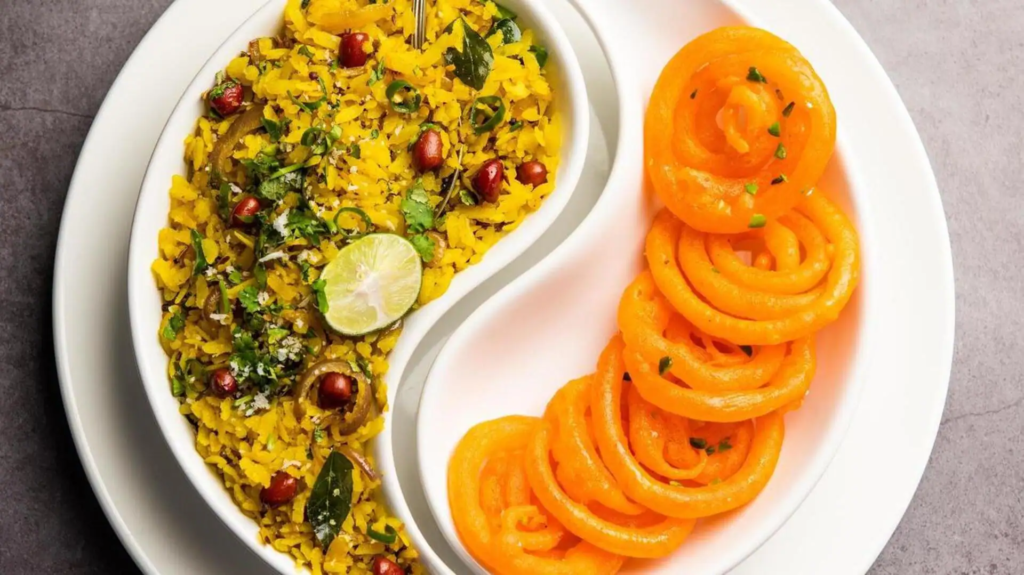
- The Balance: The saltiness and citrus of the Poha cut through the intense sweetness of the Jalebi.
- Morning Ritual: It is the go-to breakfast for millions of people every single day.
10. Digital Safety and Hygiene Tips for 2026
Trying street food is an adventure, but if you’re smart about it, you can avoid getting sick and enjoy your trip. By 2026, almost all street vendors, big or small, will likely take UPI payments. You can use apps like Google Pay or PhonePe so you don’t have to touch cash while you’re eating. A good tip is to see where the locals are eating. If a stall has a crowd, the food is probably fresh and good.
- Go Digital: In 2026, almost every street vendor, from the smallest cart to the biggest stall, accepts UPI payments. Use apps like Google Pay or PhonePe to avoid handling cash while eating.
- Verify Vendor Popularity: A simple rule—if the locals are crowding around a stall, the food is likely fresh and high-quality.
- Digital Records: Keep your digital identity (like your Aadhaar) saved in your DigiLocker. This is helpful for seamless identification if you are traveling through different states on a food tour.
- Drink Bottled Water: While the food is usually safe when cooked hot, always stick to bottled or RO-filtered water to stay hydrated.
FAQs: Street Foods You Must Try in India
Is Indian street food safe for foreigners?
Yes, as long as you follow basic hygiene. Stick to cooked, hot foods and avoid raw salads or ice from street carts. Look for vendors who use gloves or maintain a clean workspace.
What is the most famous street food in India?
While it varies by region, Pani Puri (Golgappa) is arguably the most recognized and beloved street food across the entire country.
Which city has the best street food?
Delhi and Mumbai are the top contenders. Delhi is famous for its rich, heavy chaats and kebabs, while Mumbai is known for its quick, spicy snacks like Vada Pav and Pav Bhaji.
Can I pay for street food with a zero balance bank account?
As long as your account is linked to a UPI app, you can pay for any street food item, even if it costs just ₹10. Zero balance accounts are perfect for managing daily travel expenses.
A Journey for the Senses
Exploring the top 10 street foods you must try in India is about more than just eating; it’s about participating in a thousand-year-old culture of hospitality and innovation. Each bite tells a story of the region’s history and the vendor’s craftsmanship. So, the next time you see a small stall with a long line, don’t hesitate. Join the queue, use your UPI to pay, and get ready for a flavor experience that you will remember for a lifetime.