As we navigate through April 2026, the landscape of Indian governance has shifted into high-tech, “software-defined” gear. The dream of a Viksit Bharat (Developed India) by 2047 is no longer just a distant vision; it is being built through a series of massive, digitized welfare programs. For the average citizen, understanding these schemes is the key to unlocking significant financial, health, and energy benefits.
In 2026, government schemes have moved beyond mere cash transfers. They are now integrated into a “software-defined” ecosystem where your ABHA ID connects to your health records, and your Aadhaar links directly to your solar subsidy. Whether you are a farmer, a woman entrepreneur, or a student, here are the top 10 schemes you must know this year.
1. PM-Kisan Samman Nidhi: The 22nd Installment
The PM-Kisan scheme remains the backbone of rural financial “vibe.” As of March 13, 2026, the government successfully released the 22nd installment, transferring ₹2,000 directly into the bank accounts of over 11 crore farmers.
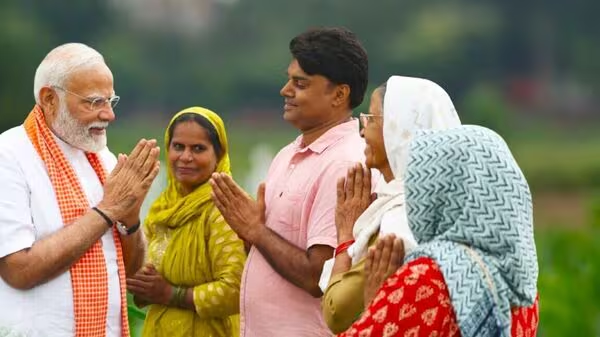
- Software-Defined Updates: In 2026, the PM-Kisan portal uses AI-driven e-KYC to eliminate ghost beneficiaries, ensuring that the 18% spike in rural demand is met with surgical precision.
- Benefit: ₹6,000 per year in three equal installments.
2. PM Surya Ghar: Muft Bijli Yojana
The biggest “vibe” shift of 2026 is the PM Surya Ghar Yojana. Aimed at providing 300 units of free electricity to 1 crore households, this scheme has turned Indian rooftops into mini power plants.
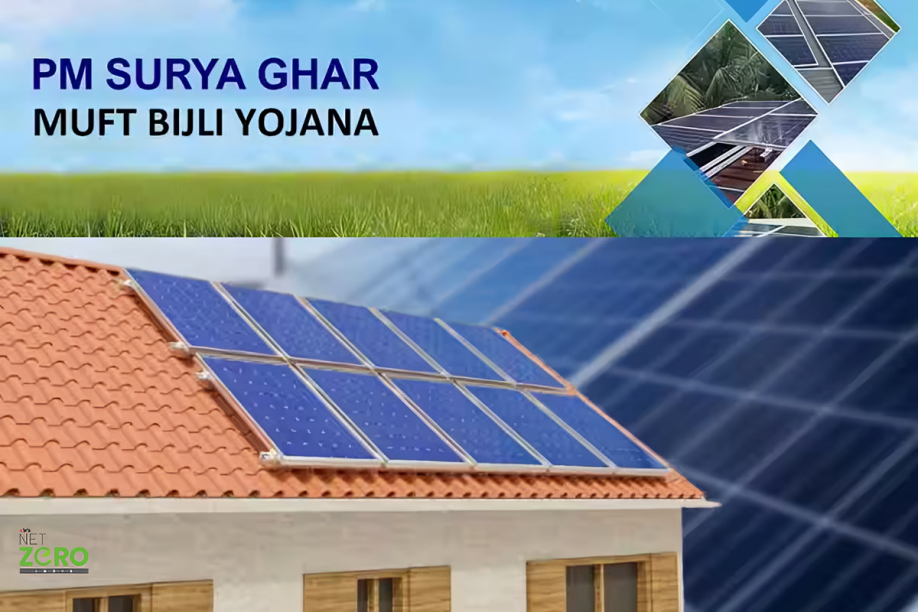
- Subsidies: The government provides a “software-defined” direct subsidy of up to ₹78,000 for a 3 kW solar plant.
- Economic Impact: Households are not just saving on bills; they are selling excess power back to the grid, creating a new “software-defined” secondary income stream.
3. Ayushman Bharat Digital Mission (ABDM)
Health is now “software-defined.” The Ayushman Bharat Digital Mission has crossed a milestone in 2026 with over 86 crore ABHA accounts created.
- The Vibe: No more carrying physical files. Your entire medical history—prescriptions, lab reports, and discharge summaries—is now accessible via a secure digital highway.
- Senior Citizen Expansion: As of March 2026, the scheme has been expanded to cover all senior citizens aged 70 and above with a ₹5 lakh cover, regardless of their income.
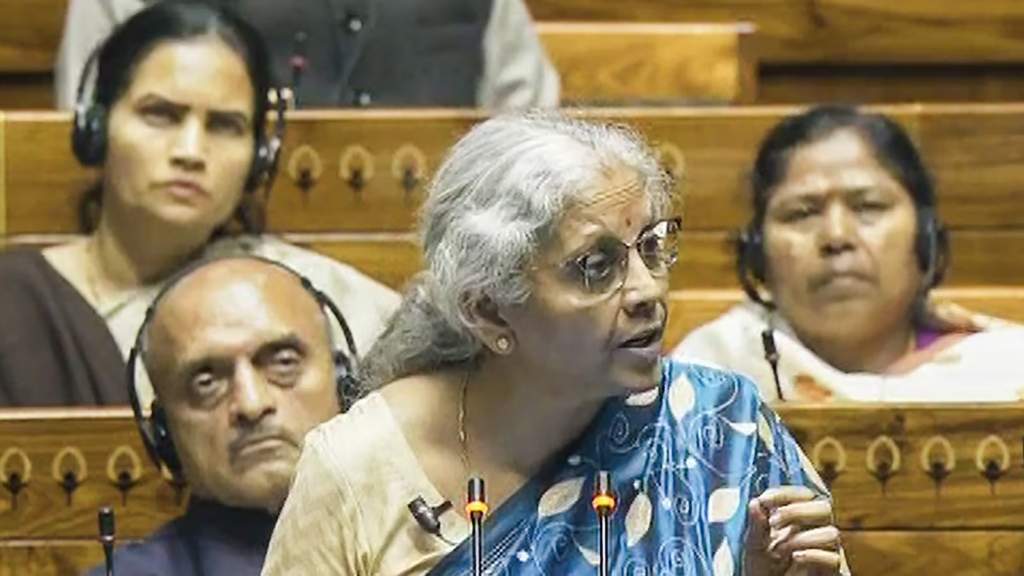
4. Lakhpati Didi Scheme: Empowering 3 Crore Women
The government’s mission to create “Lakhpati Didis” (women earning over ₹1 lakh annually) has reached its peak in 2026. By integrating artificial intelligence and digital marketing training into Self-Help Groups (SHGs), the scheme is transforming rural women into “software-defined” entrepreneurs.
- Target: 3 crore women.
- Focus: Drone piloting, LED bulb making, and “Software-Defined” financial literacy.
5. PM Vishwakarma Yojana
Launched for artisans and craftspeople, this scheme provides an end-to-end “software-defined” support system. In 2026, it offers collateral-free loans of up to ₹3 lakh in two tranches.
- Stipend: ₹500 per day during skill training.
- Digital Incentive: A ₹1 incentive per digital transaction to encourage artisans to join the digital economy “vibe.”
6. PM Awas Yojana (PMAY 2.0)
The 2026 version of PMAY focuses on “software-defined” sustainability. The goal has expanded to provide 3 crore additional houses in rural and urban areas with integrated solar and water recycling features.
- Rural Support: Up to ₹1.3 lakh for hilly areas.
- Urban Support: Interest subvention for the Middle Income Group (MIG) on home loans.
7. MY Bharat (Mera Yuva Bharat)
For the youth, MY Bharat is the ultimate “software-defined” platform. It connects young Indians with volunteering, experiential learning, and leadership opportunities.
- Stats for 2026: Over 2 crore registered users and an AI-driven “Smart CV Builder” that matches skills with government internships.
8. PM Mudra Yojana: Scaling MSMEs
Mudra loans have seen a “software-defined” limit increase in 2026. The maximum loan limit for the “Tarun” category has been hiked to ₹20 lakh for entrepreneurs who have successfully repaid previous loans.
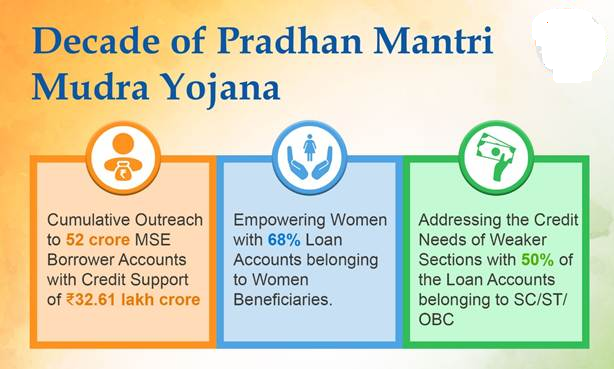
- Impact: This has fueled a massive “vibe” of small-scale manufacturing in Tier 2 and Tier 3 cities.
9. PM SVANidhi: Support for Street Vendors
Originally a pandemic response, PM SVANidhi has become a permanent “software-defined” credit line for street vendors. In 2026, vendors are eligible for a 3rd loan of up to ₹50,000 with interest subsidies for timely digital repayments.
10. Atal Pension Yojana (APY)
As India’s demographic shifts, the Atal Pension Yojana remains the most reliable “software-defined” retirement tool for the unorganized sector.
- 2026 Update: Simplified “Software-Defined” enrollment via UPI apps and a guaranteed pension of up to ₹5,000 per month after age 60.
Are You Registered?
The “software-defined” future of India is being written through these schemes. Whether it’s the free electricity from PM Surya Ghar or the healthcare security of Ayushman Bharat, the 2026 “vibe” is all about proactive participation.
The government has simplified the registration processes through Common Service Centers (CSCs) and mobile apps. Don’t leave your benefits on the table—check your eligibility today and become a part of the Viksit Bharat journey.
Frequently Asked Questions (FAQs):
How do I check my eligibility for PM Surya Ghar Yojana?
You can visit the “Software-Defined” portal. You will need your electricity consumer number, a photo of your rooftop, and your bank details to apply for the solar subsidy.
Is Ayushman Bharat coverage now free for all senior citizens?
Yes, as of late 2024 and confirmed in the March 2026 updates, all senior citizens aged 70 years and above are eligible for a ₹5 lakh health cover under the Ayushman Vay Vandana Card, regardless of their family income.
What is the amount of the 22nd installment of PM Kisan?
The 22nd installment, released in March 2026, continues to be ₹2,000. The “Software-Defined” disbursement ensures the money reaches the Aadhaar-seeded bank account of the farmer instantly.