The fight against cancer in India has entered a transformative phase in 2026. While traditional treatments like chemotherapy and radiation remain staples, a specialized “Software-Defined” approach to the human immune system is taking center stage. The Keytruda immunotherapy cancer treatment (Pembrolizumab) has emerged as the most significant breakthrough for patients battling advanced-stage malignancies.
As of April 2026, Keytruda has become the world’s top-selling drug, and its impact in India is being felt across major oncology centers from Mumbai to Noida. Unlike chemotherapy, which attacks both healthy and cancerous cells, Keytruda immunotherapy cancer treatment empowers the body’s own T-cells to identify and destroy cancer, marking a shift toward true precision oncology.
How Keytruda Works: Unmasking the Enemy
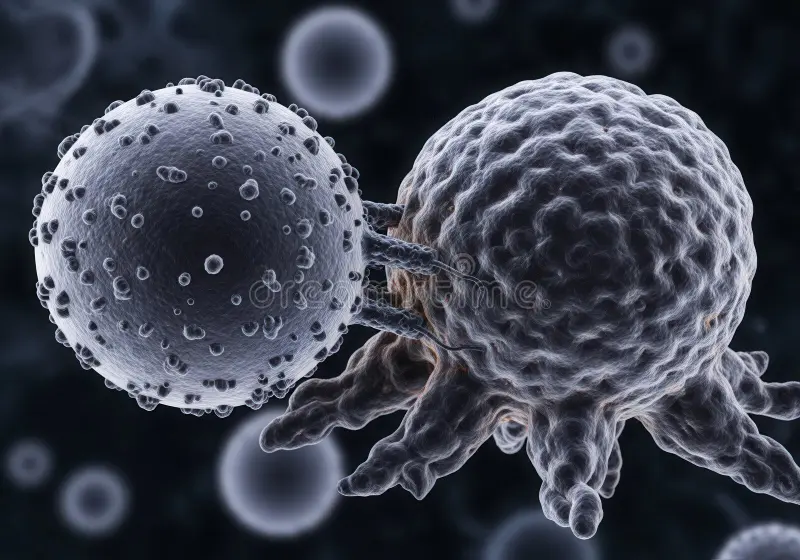
To understand the power of Keytruda immunotherapy cancer treatment, we must look at how cancer “hides.” Cancer cells often use a pathway called PD-1/PD-L1 to act as a “invisibility cloak,” preventing the immune system from recognizing them as threats.
Keytruda is a monoclonal antibody that blocks this PD-1 pathway. By doing so, it effectively “unmasks” the cancer cells, allowing the body’s natural defense mechanism—the T-cells—to launch a targeted attack. This biological “vibe” shift from external poisoning (chemo) to internal empowerment (immunotherapy) is why many stage-IV patients are seeing significantly improved survival rates in 2026.
Approved Uses: Which Cancers Can Keytruda Treat?
In 2026, the Drug Controller General of India (DCGI) has expanded the approved uses for Keytruda immunotherapy cancer treatment significantly. It is now frequently used for:
- Advanced Lung Cancer: Often used as a first-line treatment in combination with chemotherapy.
- Kidney & Bladder Cancer: Showing high efficacy in metastatic cases.
- Triple-Negative Breast Cancer: Providing hope for one of the most aggressive forms of breast cancer.
- Head & Neck Cancers: Improving quality of life for patients with recurrent tumors.
- Melanoma: The original use case where Keytruda first proved its dominance.
The Cost Challenge: Is Immunotherapy Affordable in India?
Despite its success, the primary barrier to Keytruda immunotherapy cancer treatment in India remains the financial burden. As of April 2026, a single 100mg vial of Keytruda costs approximately ₹1.5 Lakh to ₹1.7 Lakh.
Since most patients require a 200mg dose every three weeks, the monthly cost can exceed ₹3 Lakh. However, there are three critical developments in 2026 that are improving accessibility:
- Patient Access Programs (Kiran): Pharmaceutical giant Merck (MSD) offers a “Buy 5, Get 1 Free” or similar tiered structures through the Kiran Program to help manage long-term costs.
- Customs Duty Waiver: The Indian government has recently removed basic customs duty on several life-saving cancer drugs, including components of immunotherapy, to lower retail prices.
- The 2028 Patent Cliff: The patent for Keytruda is set to expire in 2028. This means that by late 2027, we expect to see the development of Indian “Biosimilars,” which could reduce the cost of Keytruda immunotherapy cancer treatment by up to 70%.
Precision Oncology: The Role of Biomarkers
Keytruda is not a “one-size-fits-all” miracle. In 2026, oncologists use PD-L1 Expression Testing to determine if a patient will respond to the treatment. If a patient’s tumor expresses high levels of the PD-L1 protein, the likelihood of Keytruda immunotherapy cancer treatment working is significantly higher.
This “Software-Defined” approach to medicine ensures that patients don’t waste precious time and money on treatments that won’t work for their specific genetic makeup.
Side Effects: What to Expect?
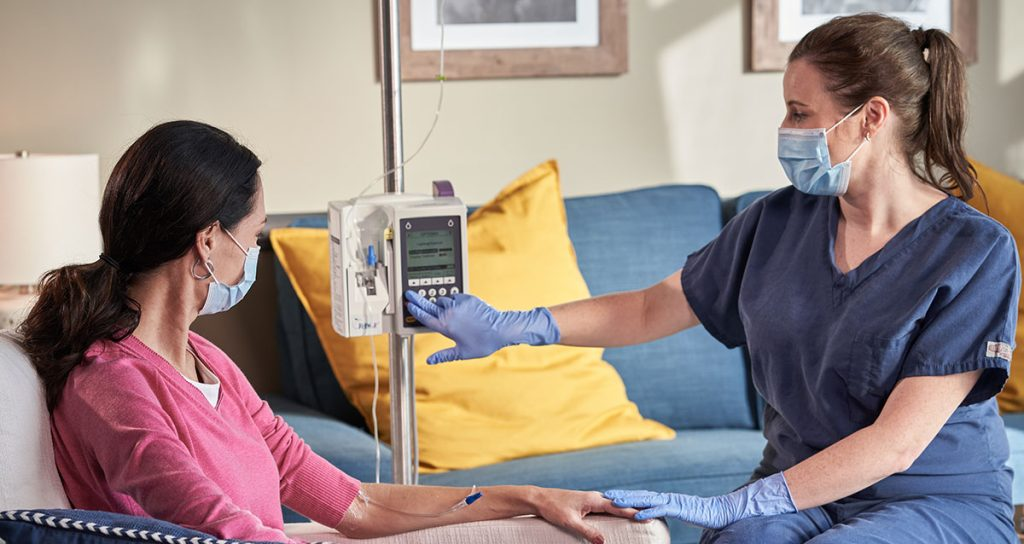
While generally better tolerated than chemotherapy, Keytruda immunotherapy cancer treatment can cause “immune-related” side effects. Because the immune system is “revved up,” it can sometimes attack healthy organs. Common issues reported by Indian patients in 2026 include:
- Fatigue and Skin Rashes
- Pneumonitis: Inflammation of the lungs.
- Colitis: Inflammation of the intestines.
- Thyroid Issues: Affecting hormone levels.
Most of these are manageable with steroids if detected early, highlighting the need for treatment at specialized centers like Artemis or Tata Memorial.
Beware of Counterfeits: A Growing Risk
A recent investigation by the ICIJ and Indian authorities has revealed a rise in counterfeit versions of high-value drugs like Keytruda. Because of its high price, black-market “fake” vials are entering the supply chain.
Critical Safety Advice: Always ensure you receive Keytruda immunotherapy cancer treatment through a verified hospital pharmacy or an authorized distributor. Never buy “discounted” vials from unverified online sources or middlemen.
A New Era of Hope
The Keytruda immunotherapy cancer treatment represents the pinnacle of modern medical science in 2026. It has turned “terminal” diagnoses into manageable chronic conditions for thousands of Indians. While the cost remains a hurdle, the shift toward precision oncology and the upcoming arrival of generic biosimilars suggest a future where every Indian patient can access the best care available.
Frequently Asked Questions (FAQs):
How long does a typical Keytruda treatment last?
Most patients receive Keytruda immunotherapy cancer treatment for up to two years, or as long as the cancer remains stable and side effects are manageable.
Is Keytruda covered under Ayushman Bharat or Insurance?
Standard government schemes like Ayushman Bharat currently do not cover the full cost of high-end immunotherapy. However, many private “Global Health” insurance plans in 2026 have started including coverage for Keytruda immunotherapy cancer treatment as part of their precision medicine riders.
What is the success rate of Keytruda for Stage-IV Lung Cancer?
In clinical trials and real-world 2026 data, Keytruda in combination with chemotherapy has shown a 5-year survival rate of nearly 25-30% for certain advanced lung cancers, which is significantly higher than chemotherapy alone (typically <5%).