In the high-stakes world of commercial aviation, safety protocols are designed to handle every possible scenario, from minor sensor glitches to critical engine failures. Recently, Air India flight AI-609, traveling from Mumbai to Bengaluru, became the center of national attention when its pilots declared a “Pan-Pan” emergency. The plane landed safely at Kempegowda International Airport, but the incident made people wonder: What is a “Pan-Pan” call, and how is it different from the more well-known “Mayday”?
The Air India Pan-Pan Call Emergency is a great example of how professional flight crews deal with technical problems in the air to keep hundreds of passengers safe. In this article, we’ll go over the timeline of the event, the technical details of aviation distress signals, and what happens behind the scenes during an emergency like this.
1. The Incident: What Happened on Flight AI-609?
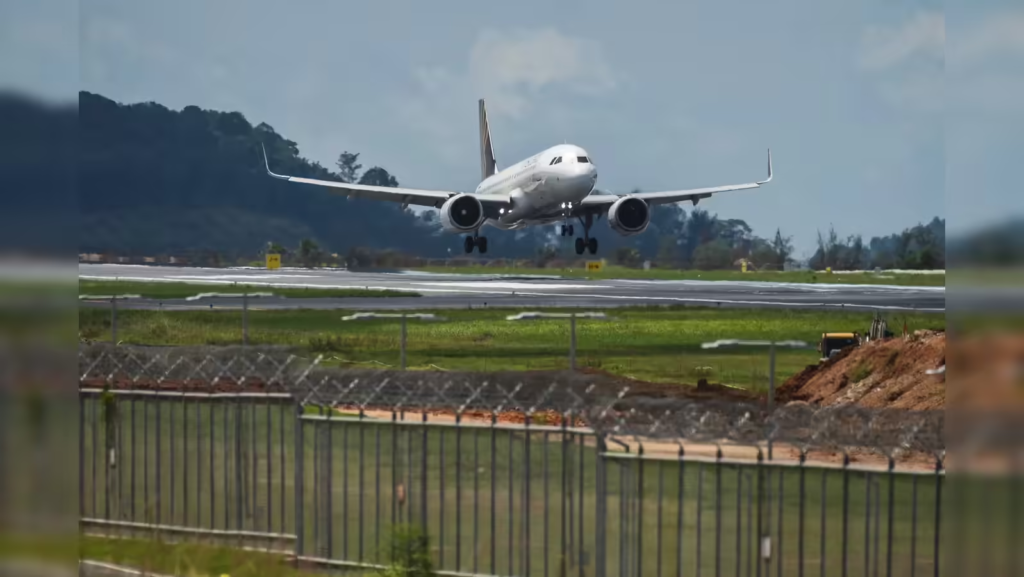
More than 150 people were on board the flight from Mumbai to Bengaluru. The pilots noticed a technical problem halfway through the trip. The DGCA is looking into the details of the glitch, which usually has to do with hydraulic systems or engine parameters. However, the crew knew they needed to be prioritized for landing.
The pilots told Bengaluru Air Traffic Control (ATC) about the emergency by sending out an Air India pan-pan call. The airport’s emergency response team was called into action right away, and fire trucks and ambulances were put on standby, which is a standard safety measure for any reported technical problem.
2. Decoding the ‘Pan-Pan’ Call
The French word panne, which means “breakdown” or “failure,” is where the word “Pan-Pan” comes from. In radiotelephony, it means “Urgency” around the world. When a pilot says “Pan-Pan, Pan-Pan, Pan-Pan,” they are saying that there is an urgent problem on board that affects the safety of the plane or a person, but it does not pose an immediate threat to life or the plane’s ability to fly.
The Air India Pan-Pan Call Emergency used this signal to tell the ATC, “We have a problem that needs your attention and priority, but we are still in control of the plane.”
3. Pan-Pan vs. Mayday: Know the Difference
A lot of people think that any problem in the air is a “Mayday” situation. But it’s important for air traffic management to know the difference.
- Mayday: Only for “Distress.” This means that the plane is in serious and immediate danger and needs help right away (for example, if the engine fails completely, there is a fire, or the structure is damaged).
- Pan-Pan: Only for “Urgency.” This is used for problems that are serious but not life-threatening, like a sick passenger, a small mechanical problem, or going a little off course.
The pilots chose the “Urgency” level for the Air India Pan-Pan Call Emergency. This meant that they needed to land quickly, but the plane was not in danger of crashing.
4. How Pilots Manage an ‘Urgency’ Situation
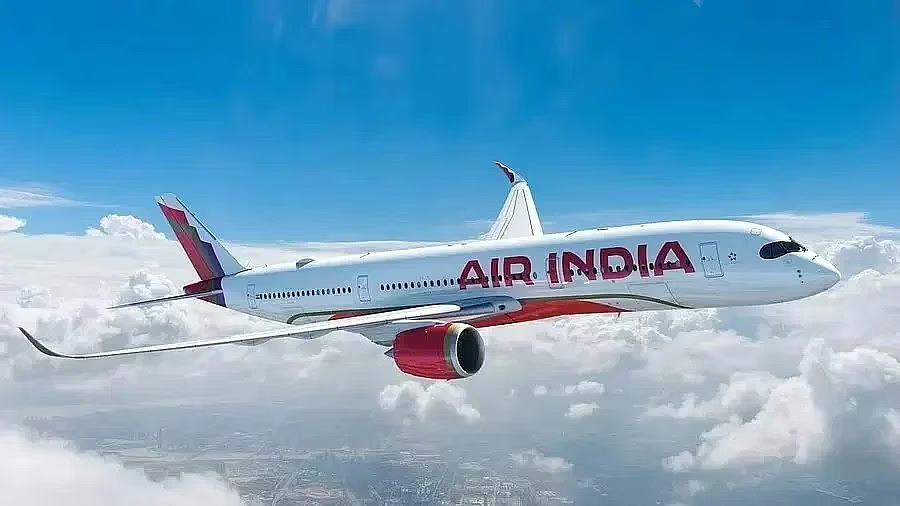
The “Aviate, Navigate, Communicate” hierarchy is what modern pilots learn to do. During the Air India Pan-Pan Call Emergency, the crew made sure the plane was flying safely before anything else. Next, they headed toward the closest airport that could handle the situation (Bengaluru) and finally told the ATC about the Air India Pan-Pan Call Emergency to make sure the way was clear.
The ATC is very important here. When the Air India Pan-Pan Call Emergency comes in, the controller clears the airspace, tells other planes to stay quiet on the radio, and gives the troubled flight the quickest route to the runway.
5. Passenger Safety and Post-Flight Protocols
After the Air India Pan-Pan Call Emergency flight landed safely, the plane was towed to a hangar for an inspection. Passengers got off the plane normally, and Air India released an official statement stressing their “Safety First” policy.Following the safe landing of the Air India Pan-Pan Call Emergency flight, the aircraft was towed to a hangar for inspection. Passengers were deboarded normally, and Air India provided an official statement emphasizing their “Safety First” policy.
The Directorate General of Civil Aviation (DGCA) always has to look into these kinds of events to find out what caused the technical failure. This makes sure that if the problem is part of a bigger pattern in a certain type of plane, the whole fleet can be fixed.
The Air India Pan-Pan Call Emergency shows how strong aviation safety rules are. “Emergency Landing” sounds scary, but the fact that flight AI-609 was able to land safely shows that the system—made up of skilled pilots, watchful air traffic control, and clear communication rules—works exactly as it should. The pilots used the “Pan-Pan” signal to make sure that everyone on board was safe by making sure that the response was proactive instead of reactive.
Air India Pan-Pan Call Emergency FAQ (Frequently Asked Questions)
Does a Pan-Pan call always lead to an emergency landing?
Not necessarily. A pilot might issue a Pan-Pan for a medical emergency where they just need a faster route to the destination. However, for technical issues like the Air India Pan-Pan Call Emergency, a precautionary landing is the standard safety choice.
Can a Pan-Pan signal be upgraded to a Mayday?
Yes. If a technical problem worsens during the flight, the pilot can notify the ATC that they are upgrading the status from “Urgency” (Pan-Pan) to “Distress” (Mayday).
Why did the airport bring out fire trucks if the situation wasn’t a Mayday?
Airports follow a “Better Safe Than Sorry” approach. For any Air India Pan-Pan Call Emergency, emergency services are deployed as a “Full Emergency” or “Local Standby” to be ready for any complications during touchdown.