It is no wonder that such a stunning fact from biology as the shrinkage of the human Y chromosome attracted much attention. The result was an interesting question that seems to come straight from science fiction: The Y chromosome is vanishing; what will happen to men when there is none left?
However, in spite of the scary-sounding headlines, there is solid scientific basis behind this process, which needs to be taken into account for predictions about humanity’s future prospects. In order to comprehend the fate of mankind, one should trace back the evolution of the Y chromosome and understand its current state and potential alternative strategies.
1. The Shrinking Giant: A History of the Y Chromosome
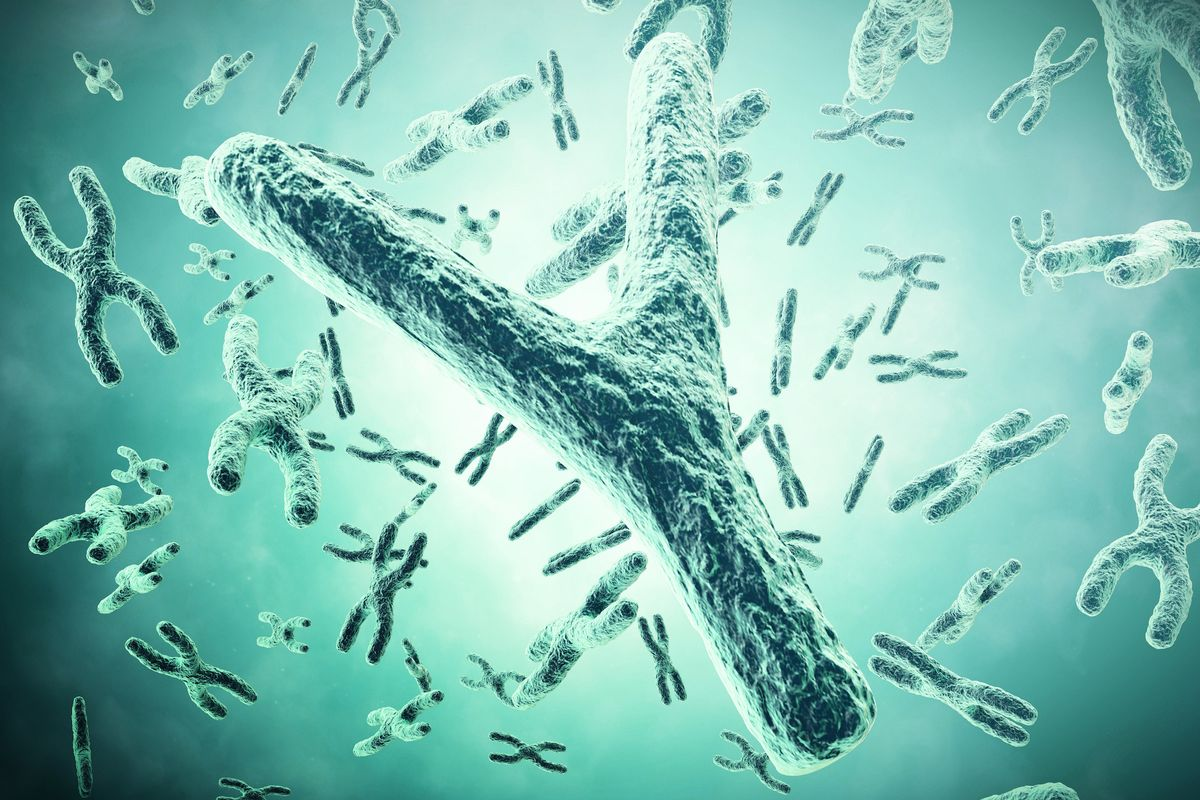
Millions of years back, both the X and Y chromosomes had the same number of genes. However, while the X chromosome can “recombine” with another X chromosome and swap healthy genes for any mutation, there is no partner for the Y chromosome, which exists along with the X chromosome in males. Because of the lack of a partner, the Y chromosome could not repair any mutations on itself, thereby losing a majority of its genes over the years.
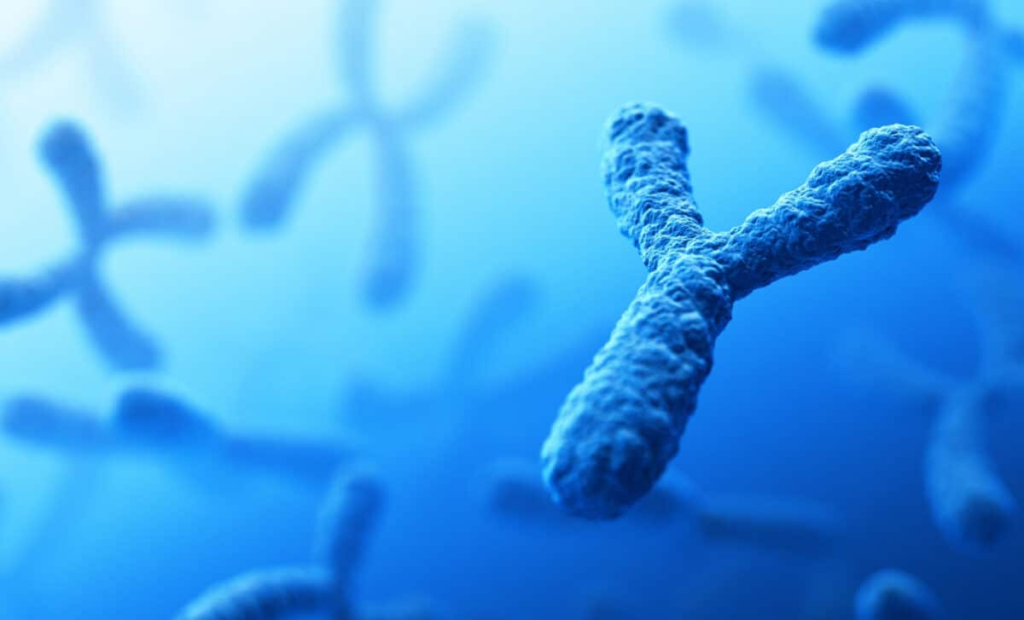
The Y chromosome of today consists of only 55 genes, compared to the 900 genes in the X chromosome responsible for many non-sexual functions in a human being. The rapid degeneration forms the basis of the belief that the Y chromosome is doomed to extinction.
2. What Happens to Men if it Runs Out?
At the present rate of degeneration, it has been estimated that the Y chromosome will become extinct in 4.6 million years. However, would the extinction of the Y chromosome lead to the extinction of men? In brief, not always.
Evolutionary “Plan B” Scenarios
Nature has already proven to humanity that several species manage to survive even after the disappearance of the Y chromosome. For instance, mole voles in Eastern Europe and the spiny rats in Japan do not possess the Y chromosome at all.
| Species | Chromosome Status | How They Survive |
|---|---|---|
| Human (Current) | XY System | SRY gene on Y chromosome triggers male development. |
| Mole Vole | XO or XX | The sex-determining gene moved to a different chromosome. |
| Spiny Rat | No Y Chromosome | A small piece of DNA near the SOX9 gene evolved to trigger maleness. |
| Human (Future?) | New Sex Gene | A different autosome could take over the role of “Male Maker.” |
3. The SOX9 and SRY Connection
The essential function of the Y chromosome is to host the SRY gene, which serves as a master switch for turning the embryo into a male. If the Y chromosome is being phased out, the existence of males will rely on another chromosome taking over its “master switch” or creating a new one.
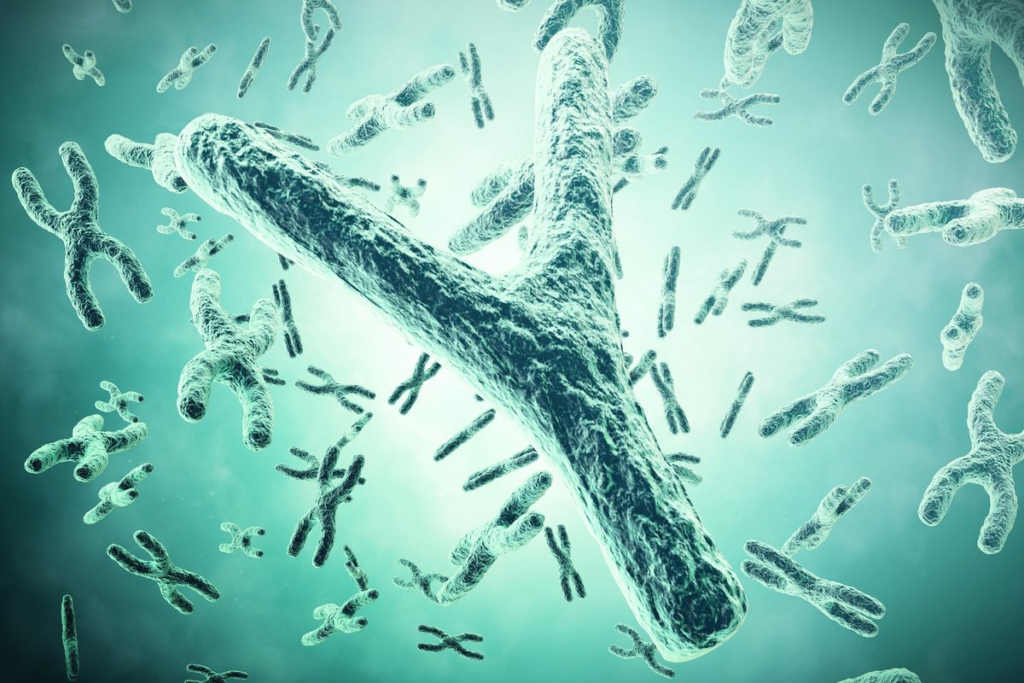
In the case of the Japanese spiny rat, scientists found out that a small repetition of DNA in the vicinity of the SOX9 gene took up the responsibility of the missing SRY gene. This means that humans may experience a similar “handover” in the evolutionary process.
4. Staying Secure in a Changing Biological World
When looking far into the future regarding human evolution, it becomes clear how important it is to safeguard our biological and digital identity today. In 2026, human data management will play as big a role as genome sequencing.
- Health Data Management: Contemporary genetic studies and customized medicine need secure databases. Many people today store their genetic code and medical records in DigiLocker to assure that their information is authenticated and available to professionals.
- Identity Verification: Whether you are participating in a clinical study or accessing reproductive health services, ensuring your mobile number is linked to your government-issued ID is essential for secure authentication.
- Paperless Verification: Using an e-Aadhaar for paperless verification allows patients and researchers to move through bureaucratic hurdles with speed, ensuring that the focus remains on the science, not the paperwork.
- Financial Planning for Health: Specialized savings, such as a zero balance bank account, are often used by families to set aside funds for advanced genetic screening or long-term health monitoring without the worry of maintenance fees.
5. The Impact on Human Reproduction
Will there have to be another way to reproduce if the Y chromosome is indeed going away? For now, the process of human reproduction involves a sperm and an egg. Nonetheless, the emergence of a new gene for determining sex means the future male being genetically different yet doing basically the same thing.
Future Reproductive Technologies
| Technology | Purpose | Current Status (2026) |
|---|---|---|
| IVF with Genetic Screening | Ensuring embryo health. | Widely Available |
| Artificial Gametes | Creating sperm/eggs from skin cells. | Experimental / Research Phase |
| Gene Editing (CRISPR) | Repairing chromosomal defects. | Targeted Therapeutic Use |
| Ectogenesis | Artificial wombs for gestation. | Conceptual / Animal Trials |
6. EEAT and Scientific Credibility
Regarding the subject of whether the disappearance of the Y chromosome entails something for men once all their Y chromosomes are gone, one has to take recourse to high-authority scholarly papers. Geneticists working at the University of Melbourne and other top research centers worldwide are known to have contributed much to the study of this issue. In spite of the disappearance being an acceptable scientific conjecture, it should be noted that the Y chromosome evolved into palindromic sequences to counteract its destruction.
FAQs: The Future of the Y Chromosome
Are men going extinct?
No. Even if the Y chromosome disappears, the “male” sex can be determined by a different genetic switch on another chromosome, as seen in other mammals.
How long until the Y chromosome is gone?
Estimates suggest roughly 4.6 million years. In evolutionary terms, this is a significant amount of time for a new biological system to develop.
Can we “fix” the Y chromosome?
With 2026’s CRISPR and gene-therapy advancements, we can treat specific genetic disorders, but “fixing” the entire evolutionary trajectory of a chromosome is currently beyond human capability.
How do I protect my genetic privacy?
Ensure your genetic data is stored in encrypted, government-verified platforms like DigiLocker. Always ensure your mobile number is linked to your Aadhaar for secure, multi-factor access to your health portals.
Evolution Finds a Way
The headline that the Y chromosome may be disappearing is a fascinating look into the fluidity of life. While the “What happens to men if it runs out?” question sparks fear, history shows that life is incredibly resilient. The “male” of 5 million years from now might not carry a Y chromosome, but they will still be an essential half of the human story.
As we continue to map our genomes and secure our digital identities in 2026, we aren’t just spectators of evolution—we are the architects of a future where science and security go hand in hand.