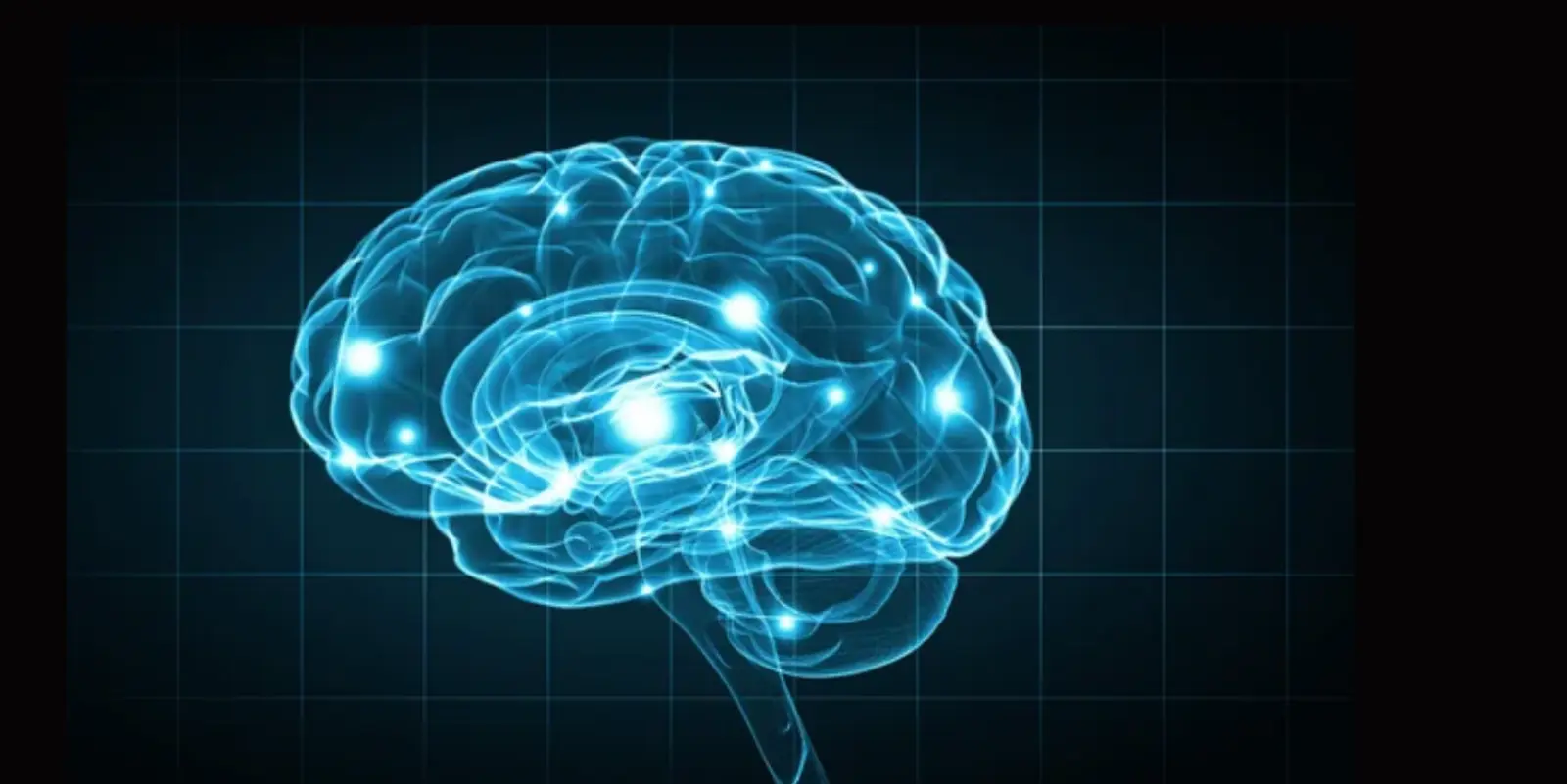
For a long time, the idea that “thoughts become things” was only talked about in self-help and spiritual circles. As we move into 2026, though, the scientific community has come to a shocking agreement: Neuroscience shows that self-talk has a direct effect on brain cells. This isn’t just a metaphor; it’s a biological fact that is “software-defined.” When you talk to yourself, you’re basically “coding” your neural pathways, releasing chemicals, and even changing the way your brain is built.
Studies from 2024 to early 2026 have shown that the way we talk to ourselves, whether it’s a harsh criticism or a supportive “vibe,” turns on certain areas of the brain, like the prefrontal cortex and the superior temporal sulcus. Your brain cells don’t just “hear” your thoughts; they also change how they work.
The Plastic Brain: Neuroplasticity in 2026
Neuroplasticity is a key idea in the neuroscience of self-talk. This is the brain’s ability to make new neural connections throughout life, which lets it reorganize itself. Researchers stressed in February 2026 that the brain is not a “fixed” organ but a “plastic” one that changes in response to stimuli.
When you think the same things over and over, you make “well-worn pathways” in your brain, like a path through a forest. When you talk to yourself negatively all the time, your brain makes the connections that cause stress and anxiety stronger. On the other hand, positive, instructional self-talk makes new “Software-Defined” pathways that help you control your emotions and make better decisions.
The Chemical Response: Dopamine vs. Cortisol
Your internal dialogue acts as a “remote control” for your endocrine system. The neuroscience of self-talk shows that your brain cells respond to your words by flooding the system with specific neurochemicals.

Positive Self-Talk: Activates the brain’s reward system. This triggers the release of Dopamine, the “feel-good” neurotransmitter. This not only boosts your mood but reinforces behaviors that contribute to confidence and resilience.
- Negative Self-Talk: Triggers the brain’s stress response. This spikes levels of Cortisol, the hormone linked to anxiety and “fight-or-flight.” Over time, chronic negative self-talk can lead to long-term changes in the amygdala, making it more sensitive to perceived threats.
The “Own Voice” Effect: Why Listening to Yourself Matters
A breakthrough study published in mid-2024 and further explored in 2026 investigated the Neural Effects of One’s Own Voice. It turns out the brain processes your own voice differently than others’.
When you engage in self-talk, your brain uses a “Self-Referential Network.” This involves the medial prefrontal and parietal cortices. The research found that hearing your own “internal” voice actually lowers activation in the superior temporal gyrus (STG)—a phenomenon called “neural sharpening.” Essentially, your brain filters out noise to focus on your internal “Software-Defined” instructions, making your self-talk one of the most powerful influences on your self-awareness.
3 Ways Your Brain Responds to Your Words
According to 2026 neuro-psychology reports, there are three primary ways the neuroscience of self-talk manifests in daily life:
1. Dampening the Amygdala
Calming and positive self-talk activates the prefrontal cortex. This acts as a “brake” on the amygdala, the brain’s emotional center. By using empowering language during a crisis, you can literally “quiet” the stress signals before they take over your body.+1
2. Strengthening the Prefrontal Cortex
Instructional self-talk (e.g., “First, I will do X, then Y”) strengthens the executive function of the brain. This helps with cognitive control and reduces the margin of error in high-pressure tasks.
3. Boosting Self-Efficacy
The brain is more willing to grow new neurons and flood itself with positive neurochemicals when you have “Hope.” Hope is driven by self-efficacy—the belief that you can succeed—which is built entirely on the foundation of your inner dialogue.
How to Rewire Your Mind: 2026 Best Practices
Understanding the neuroscience of self-talk is only useful if you apply it. Here is how to “hack” your brain cells for a better mindset:
- Catch and Challenge: When a negative thought arises, catch it. Ask yourself: “Is this a fact, or a Software-Defined habit?”
- Third-Person Talk: Research suggests that talking to yourself in the third person (e.g., “You can do this, [Your Name]”) provides psychological distance and makes self-regulation easier.
- Visualization: Pair your self-talk with mental imagery. The brain often cannot distinguish between a real experience and a vivid visualization, activating the same neural pathways.
- Consistency and Intensity: Neuroplasticity requires repetition. High-intensity, meaningful thoughts are more likely to cause structural changes than a fleeting “I’m okay.”
You are the Architect
The neuroscience of self-talk confirms that you are the primary architect of your brain’s architecture. In 2026, we now have the data to prove that “thinking” is a physical act that shapes our cellular reality. Every time you choose a constructive internal dialogue over a destructive one, you are giving your brain cells the blueprint they need to build a more resilient, capable, and happy version of you.
Don’t just think; “program” your brain for the life you want.
Frequently Asked Questions (FAQs):
Does self-talk really influence brain cells?
Yes. Modern neuroscience of self-talk shows that internal dialogue triggers neurochemical releases (like dopamine or cortisol) and, through neuroplasticity, can physically strengthen or weaken neural pathways over time.
Is it better to talk to myself out loud or silently?
While both are effective, research into the “Own Voice” effect suggests that hearing yourself (even internally) engages the self-referential network, but verbalizing out loud can sometimes provide more clarity and emotional regulation during high-stress moments.
How long does it take to “rewire” a brain habit?
Neuroplasticity is a gradual process. While subtle changes happen instantly at the chemical level, significant structural changes to neural pathways typically require 21 to 66 days of consistent, repeated self-talk and behavior change.